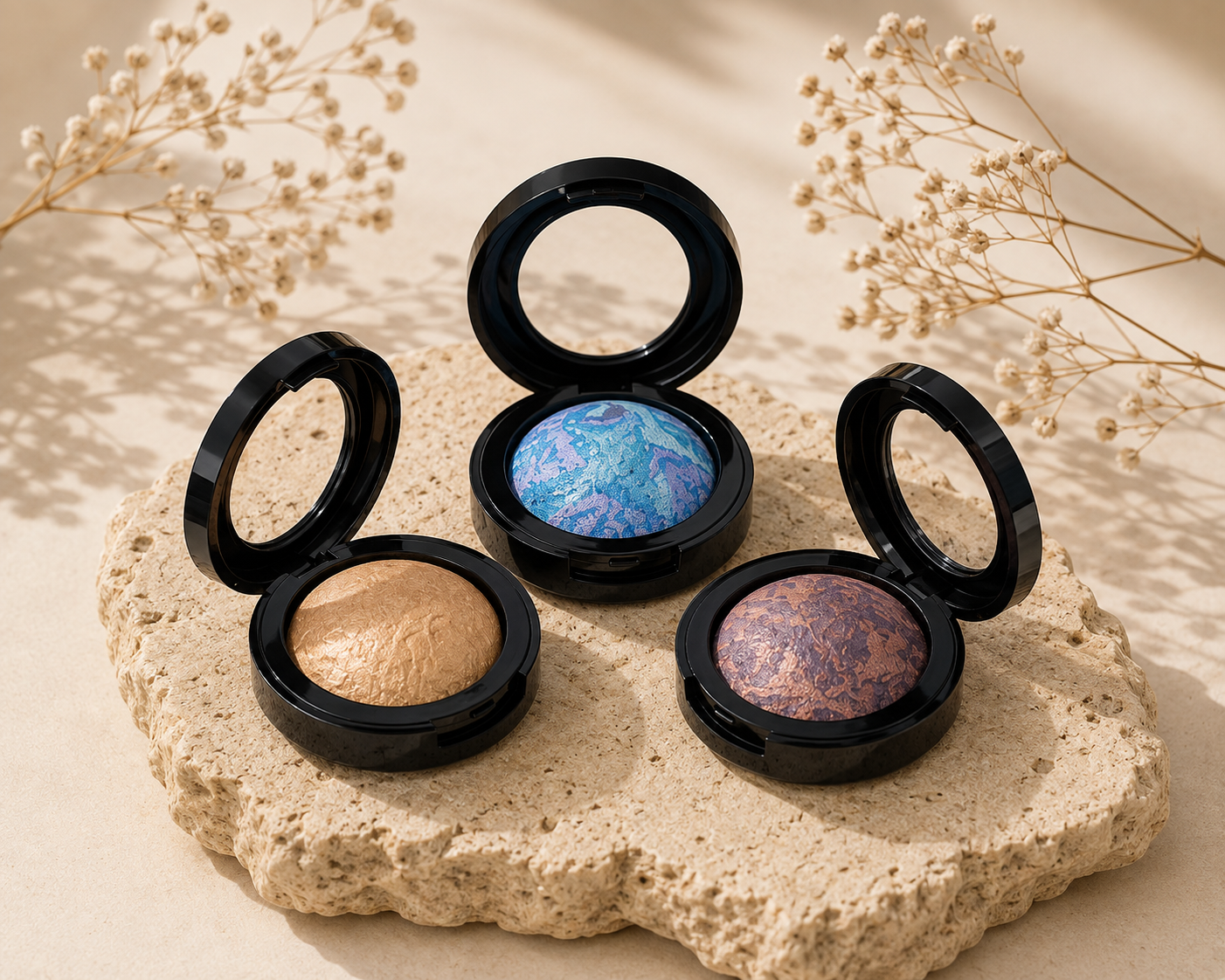
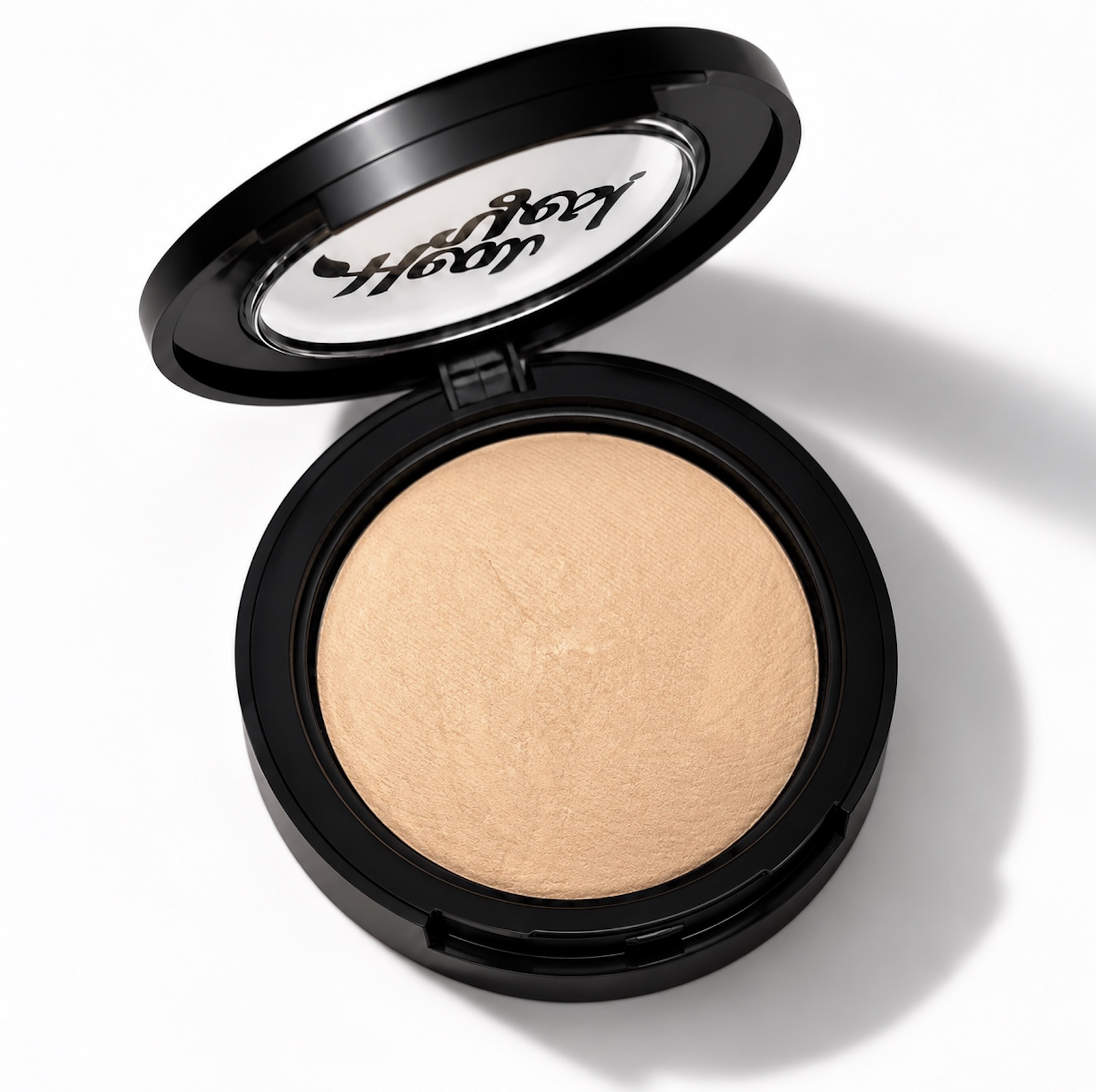
Baked Pressed Mineral Eyeshadow
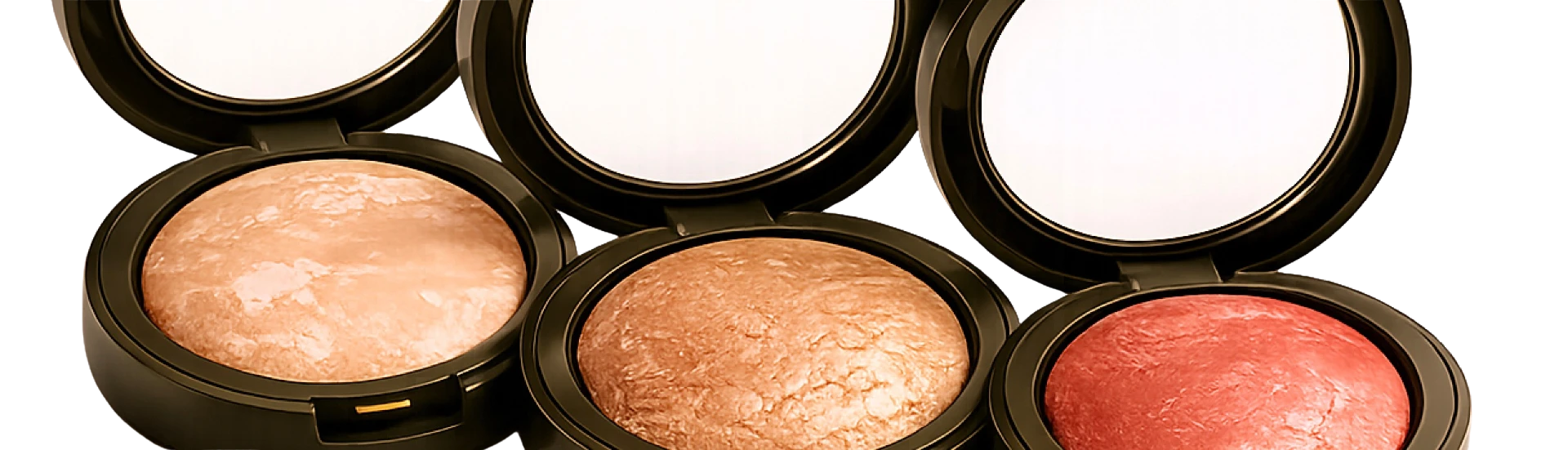
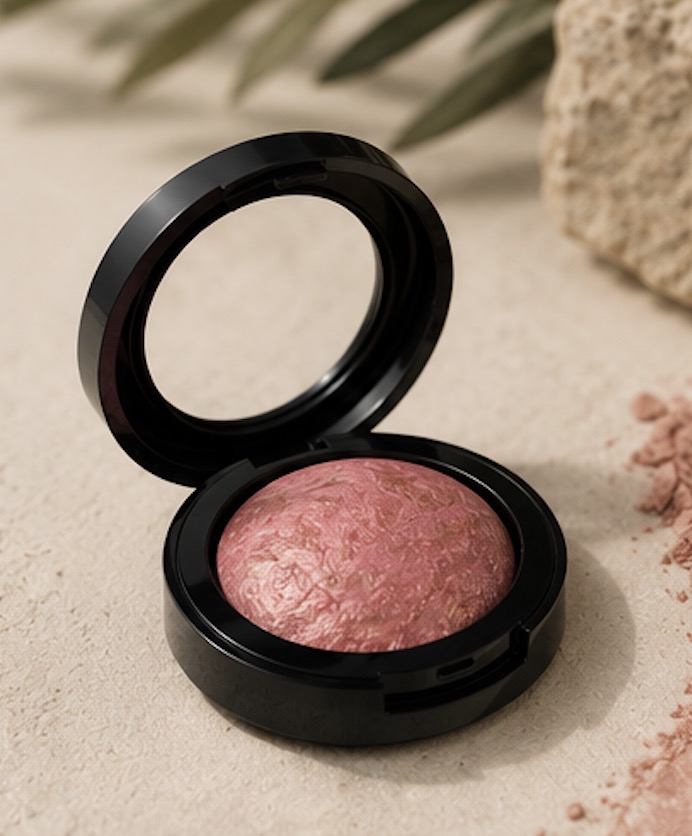
A single-color mineral eyeshadow, literally baked for airy texture and dimensional variation in the pan.
12 ingredients. Every one explained.Shade: Bark
Swatches on screen are approximations. Get help finding your shade rather than guessing.
The ingredient logic
12 ingredients.
12 reasons.
The whole formula, in label order. The name on the label, the job it does, and the reason it belongs.
Explore the ingredient glossary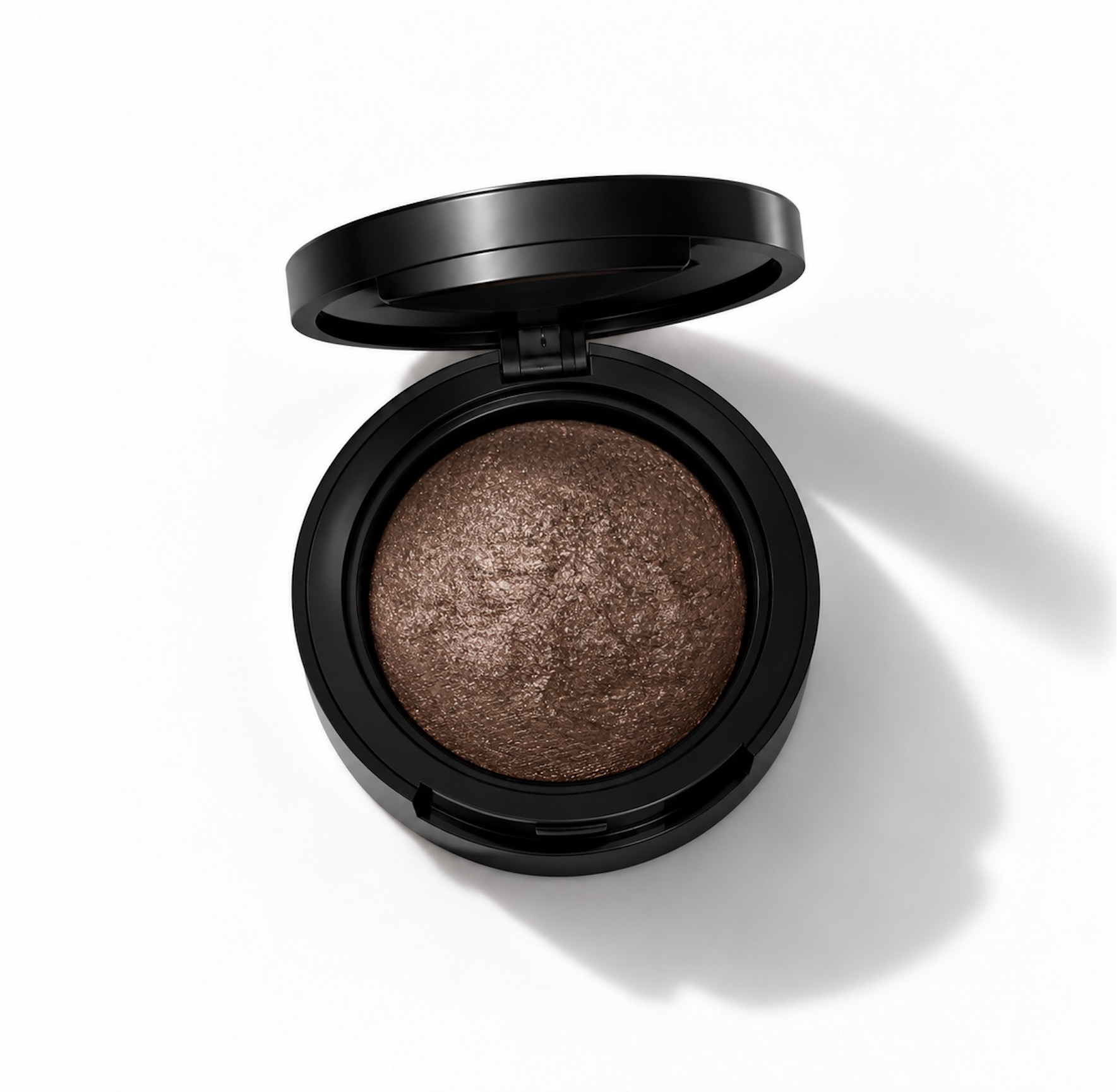
Baked Pressed Mineral Eyeshadow
Full disclosure looks good on you.
In the formula
Every name has a purpose
- 01
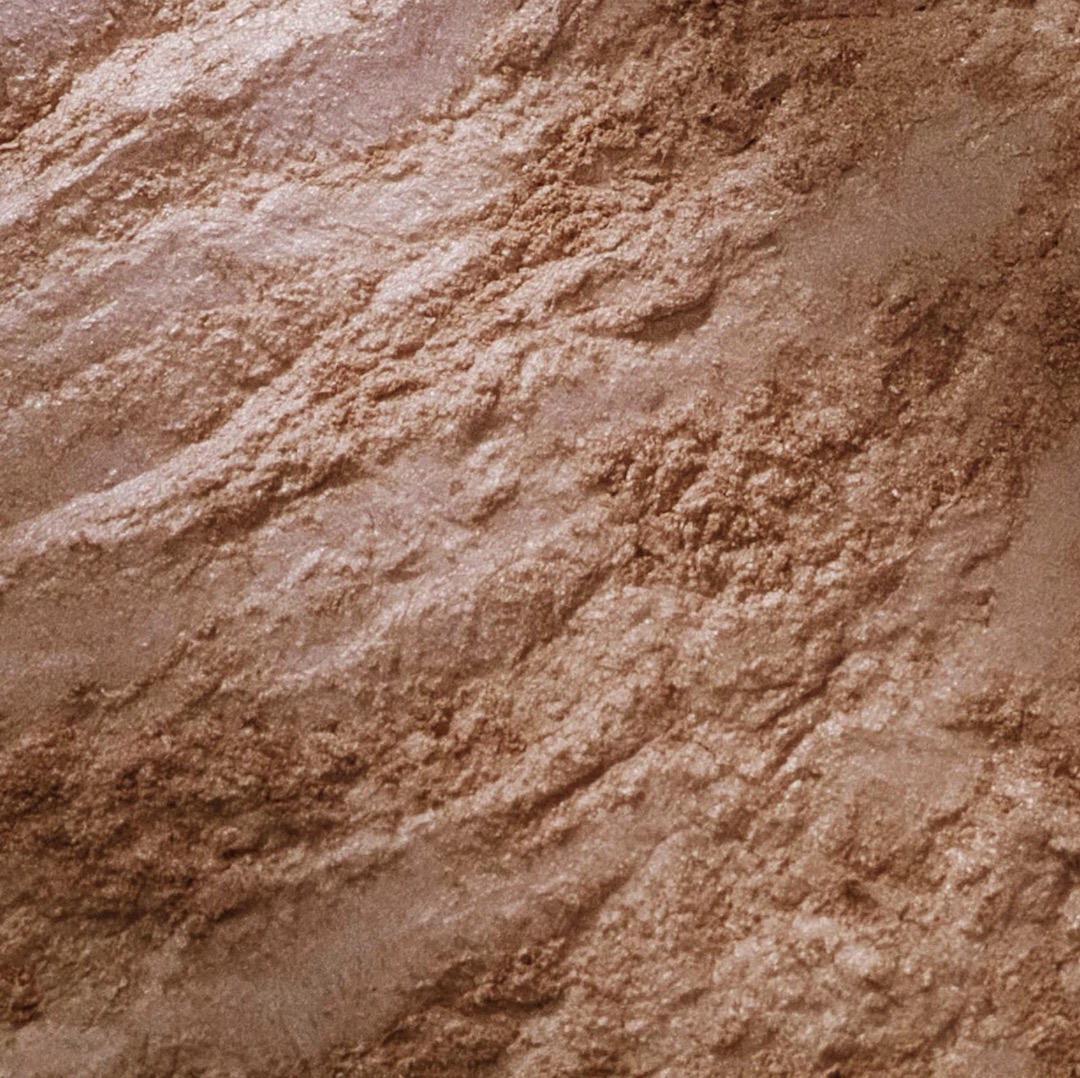 MicaOn the label: Ethically Sourced MicaMinerals ↗It is the body of the baked pressed formulas — the platelet structure is what lets a powder sit flat on skin, diffuse light instead of sitting on top of it, and carry pigment evenly across the face.
 - 02
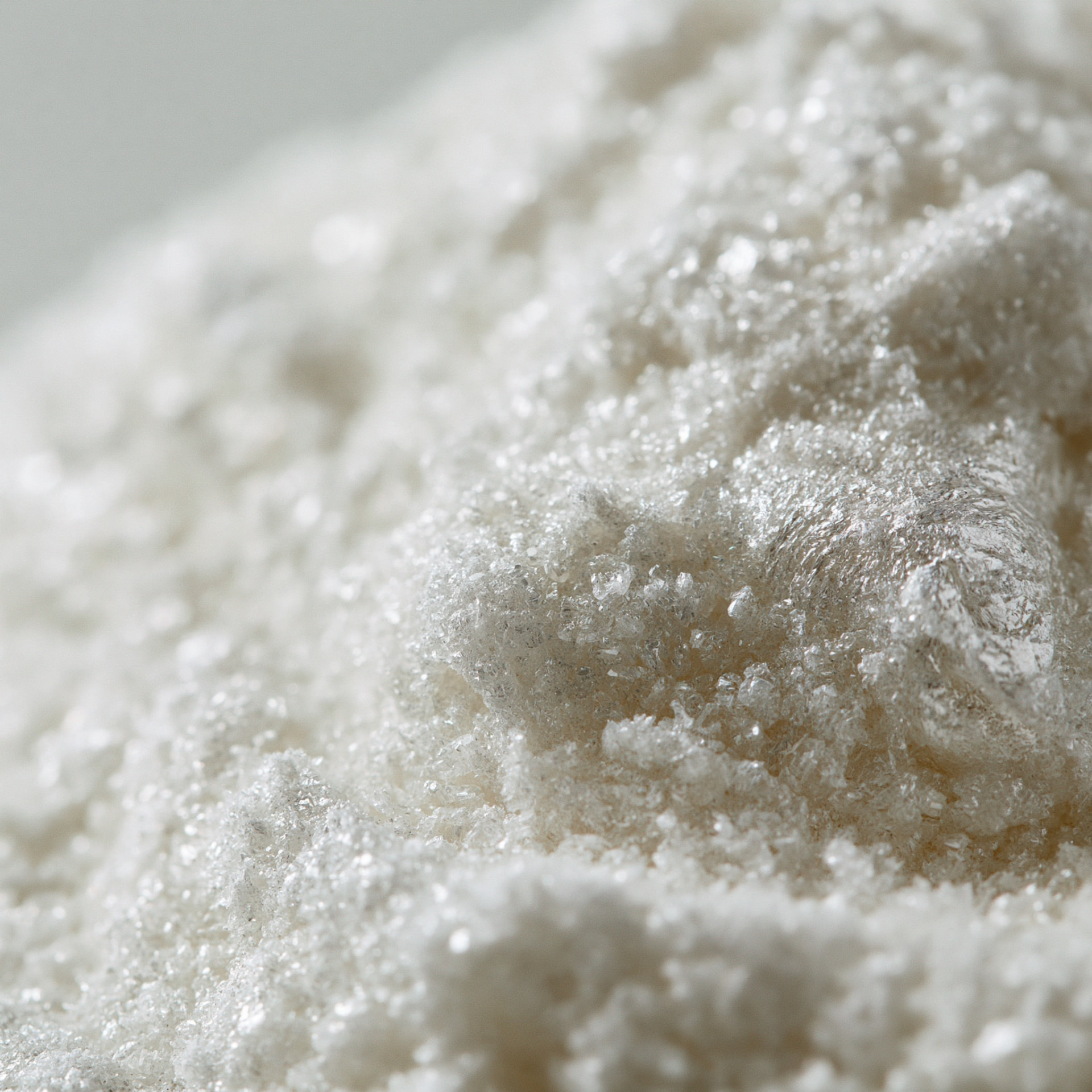 Sericite MicaOn the label: Sericite MicaMinerals ↗It refines the texture of the base. Where mica gives the powder its body, sericite gives it slip — the fine particle size is what makes a pressed mineral feel silky rather than chalky under a brush.
 - 03
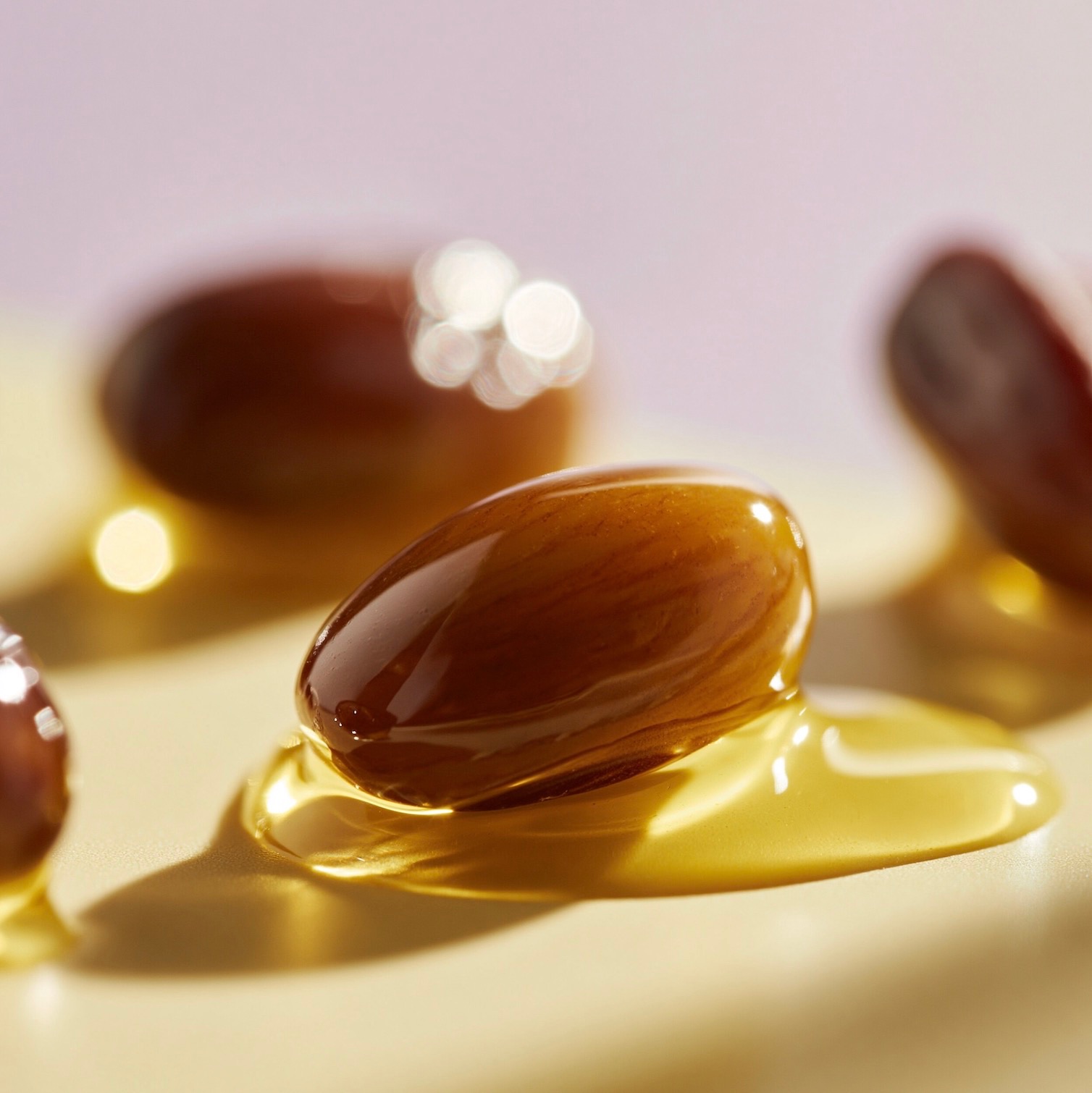 Jojoba Seed OilOn the label: Simmondsia Chinensis (Jojoba) Seed OilBotanical Oils ↗It is the reason a dry pressed powder behaves like a cream. Jojoba softens at skin temperature and blends with your own oils, which is what gives the baked pressed line its shade-adaptive wear and buildable medium-to-full coverage without a powdery edge.
 - 04
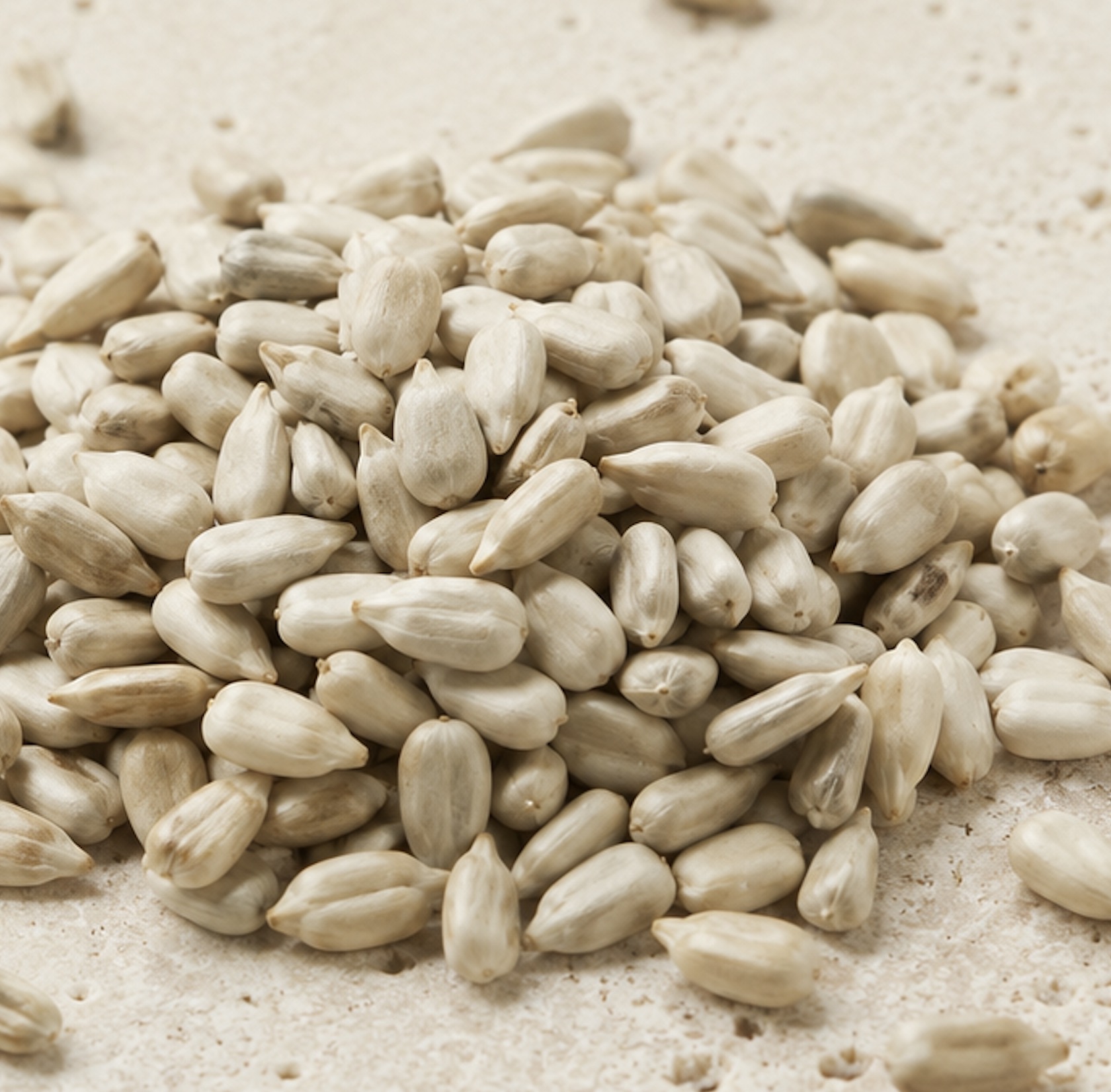 Safflower Seed OilOn the label: Carthamus Tinctorius (Safflower) Seed OilBotanical Oils ↗It is the one addition that separates the blush from the foundation. Blush needs to sheer out and stop where you stop it, and safflower's lighter body gives the pigment a longer, more forgiving blend window on the cheek.
 - 05
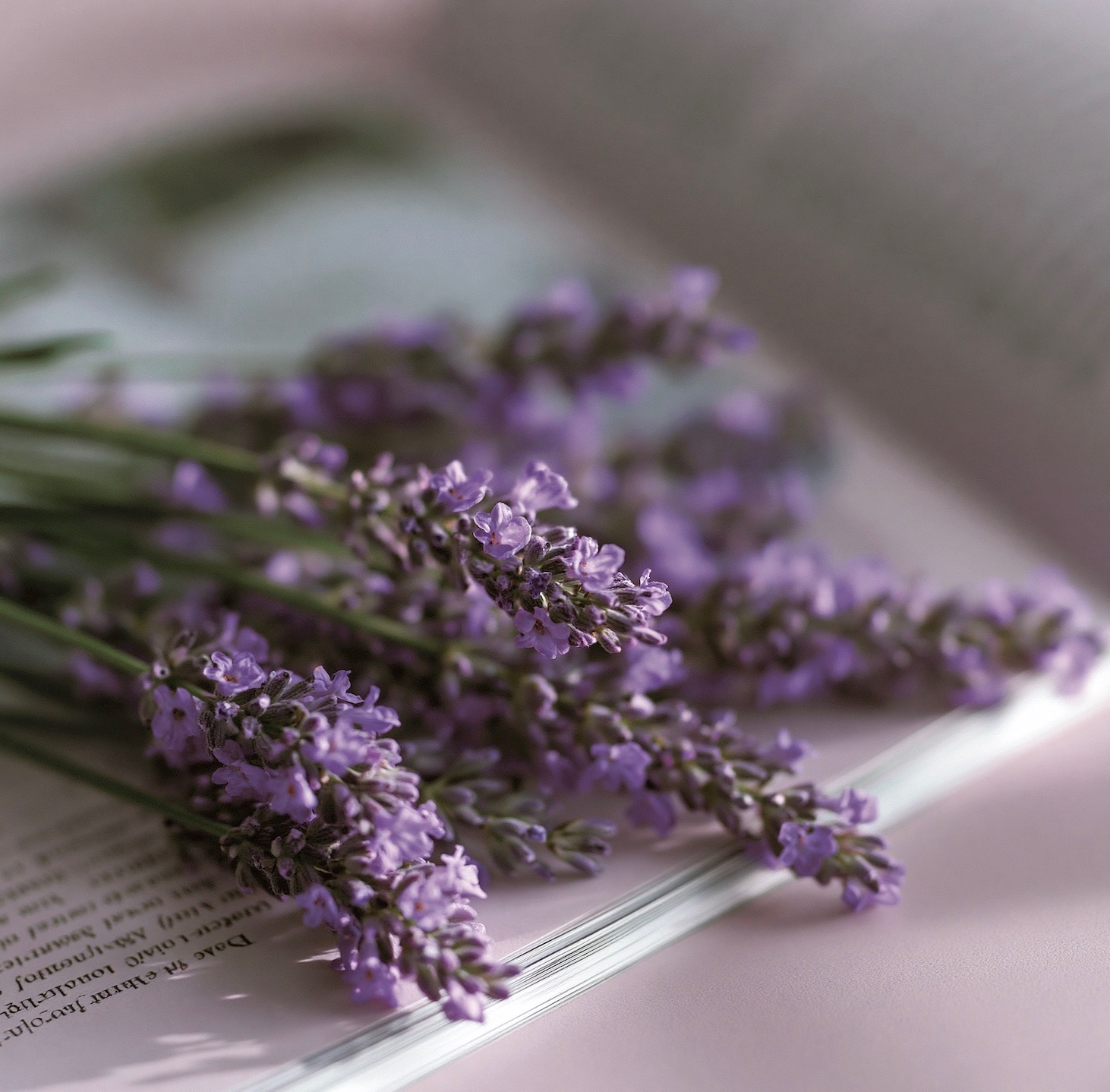 Lavender Flower ExtractOn the label: Lavandula Angustifolia (Lavender) Flower ExtractBotanical Extracts ↗Part of the botanical preservation system. Lavender has traditionally been used to help keep formulas fresh, which is how we hold a powder stable without parabens or phenoxyethanol.
 - 06
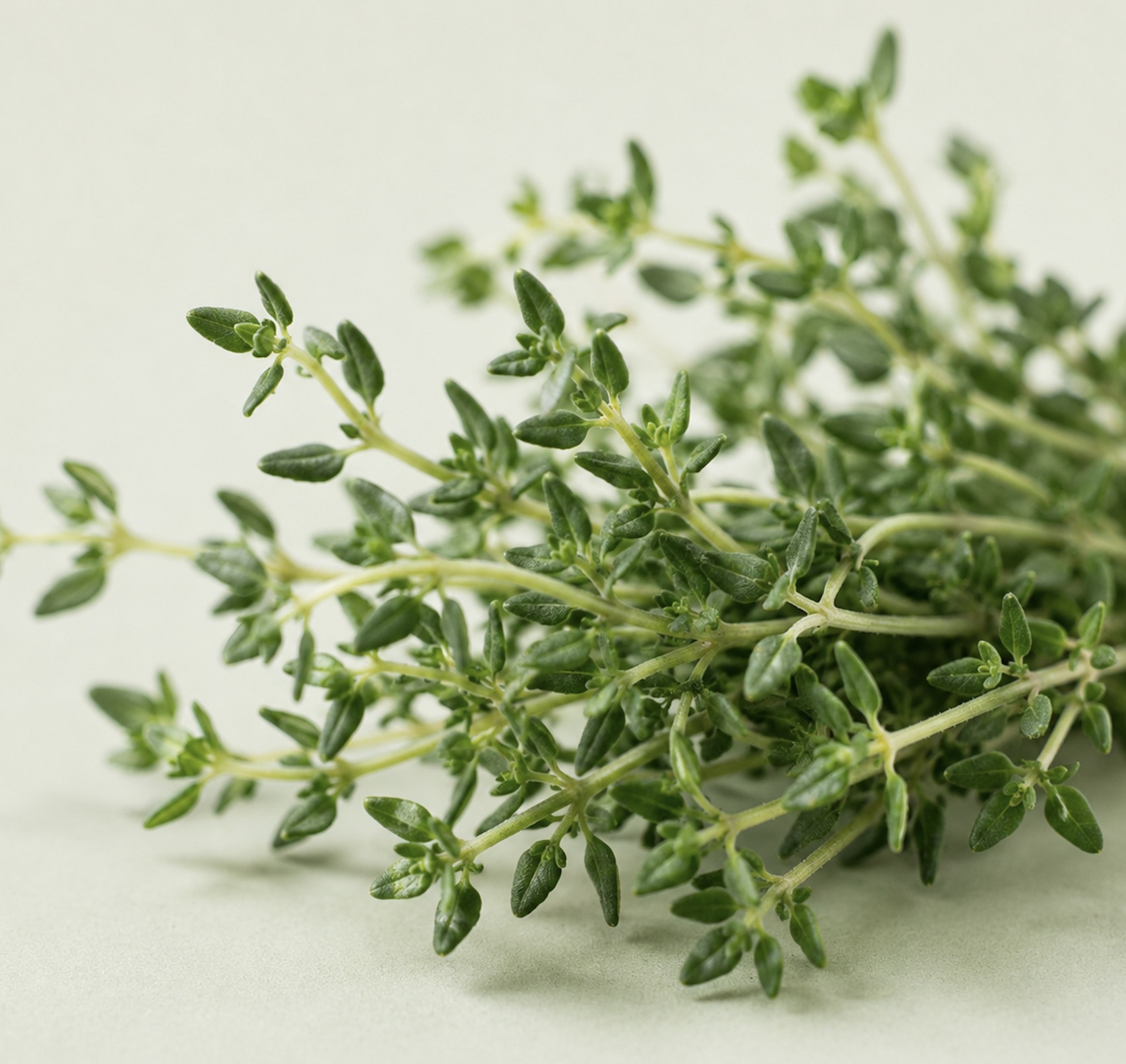 Thyme ExtractOn the label: Thymus Vulgaris (Thyme) ExtractBotanical Extracts ↗Part of the botanical preservation system. Thyme is traditionally used to help keep formulas fresh, and it is one of the reasons the ingredient list can end at nine names.
 - 07
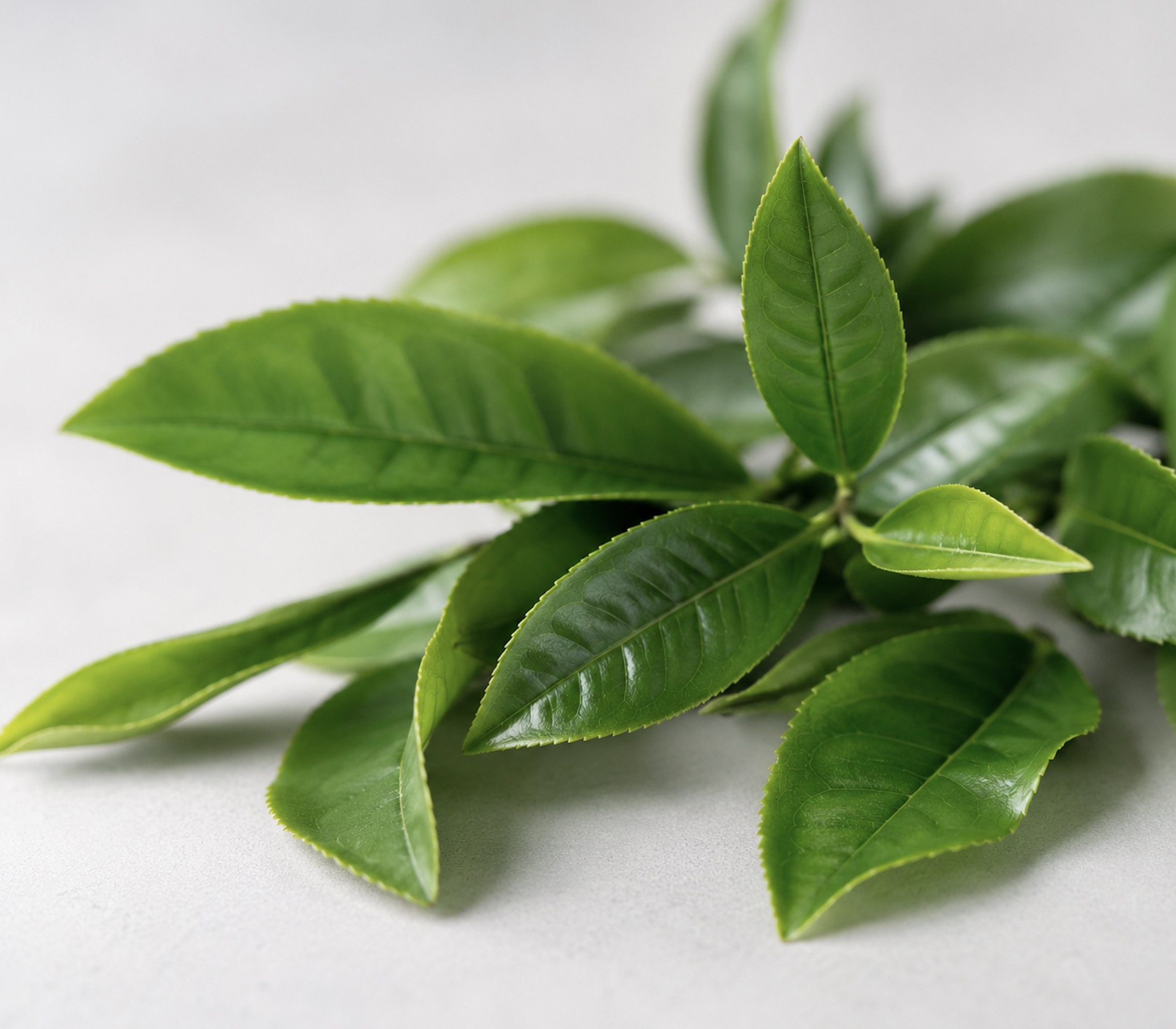 Green Tea ExtractOn the label: Camellia Sinensis (Green Tea) ExtractBotanical Extracts ↗An antioxidant botanical that helps protect the oils in the formula from going off, so the compact stays true through the life of the pan.
 - 08
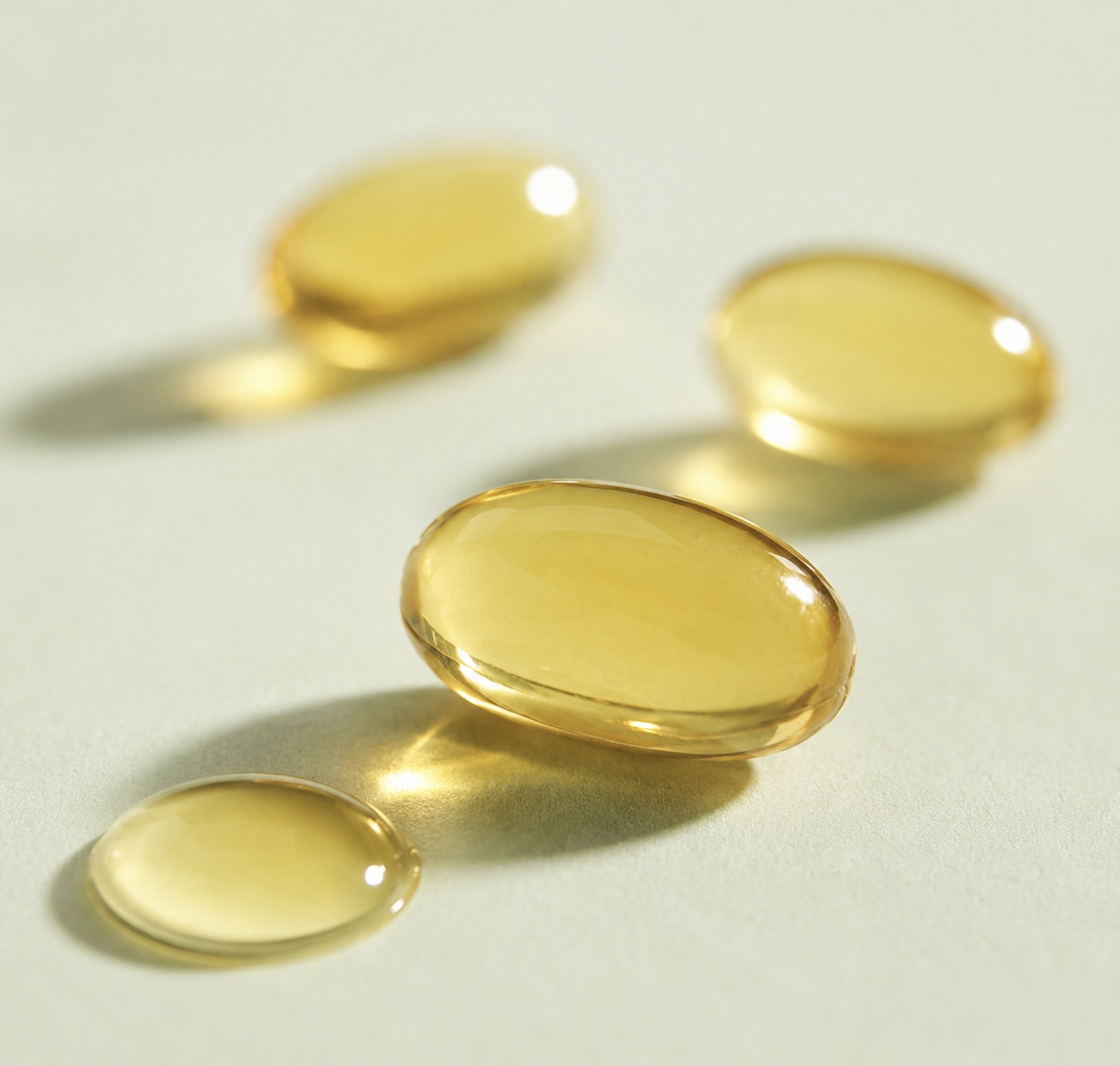 Vitamin EOn the label: Tocopheryl Acetate (Vitamin E)Vitamins ↗It does two jobs at once: it conditions the powder so it reads soft on skin, and it works with the rosemary and green tea to keep the oil phase stable.
 - 09
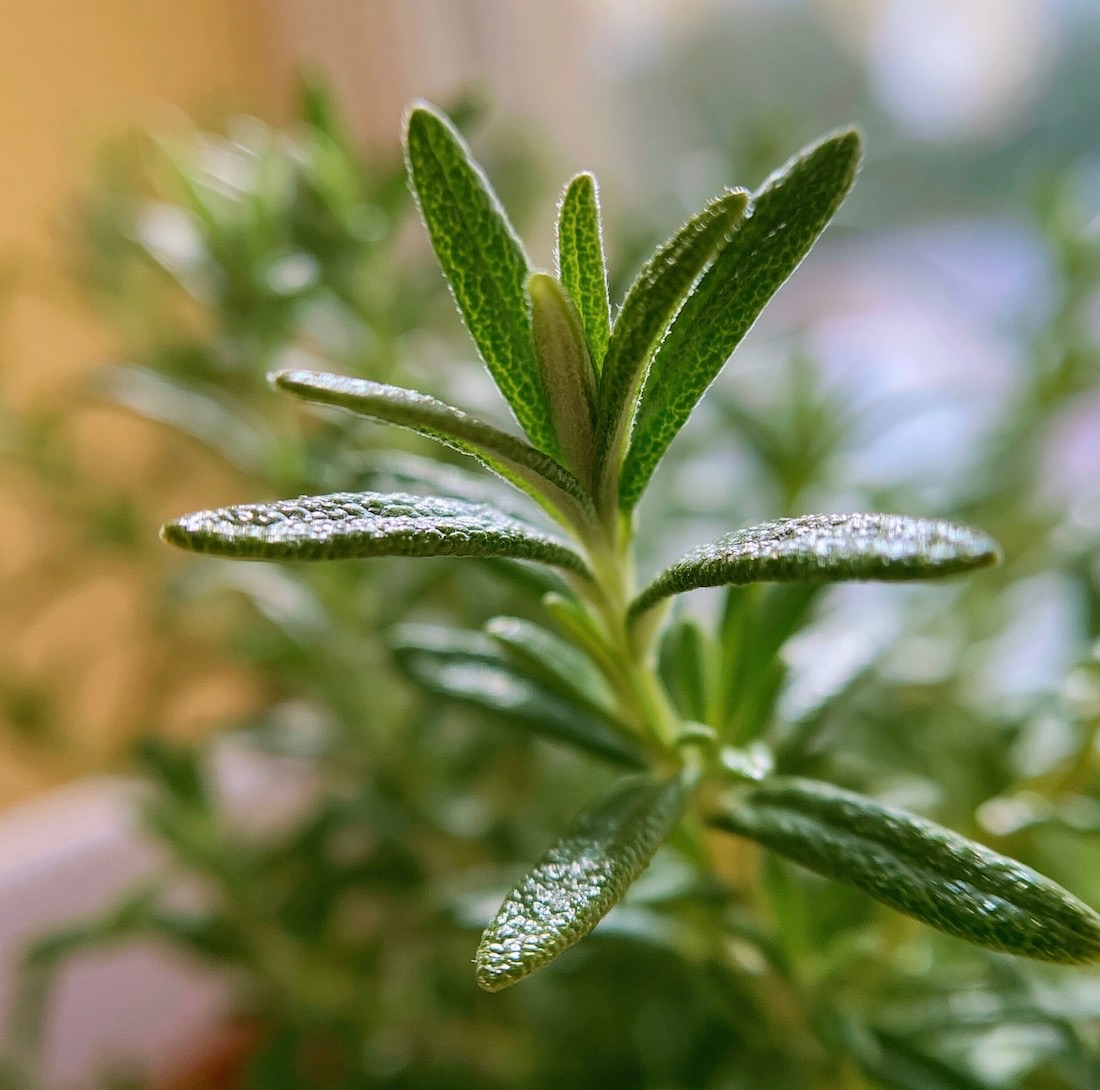 Rosemary Leaf ExtractOn the label: Rosmarinus Officinalis (Rosemary) Leaf ExtractBotanical Extracts ↗The most established natural antioxidant in the botanical preservation system. It guards the jojoba and safflower oils against oxidation, which is what lets us skip a synthetic preservative.
 - 10Magnolia Bark ExtractOn the label: Magnolia Officinalis Bark ExtractBotanical Extracts ↗Part of the botanical system supporting the oils and the baked powder through the life of the pan.
- 11
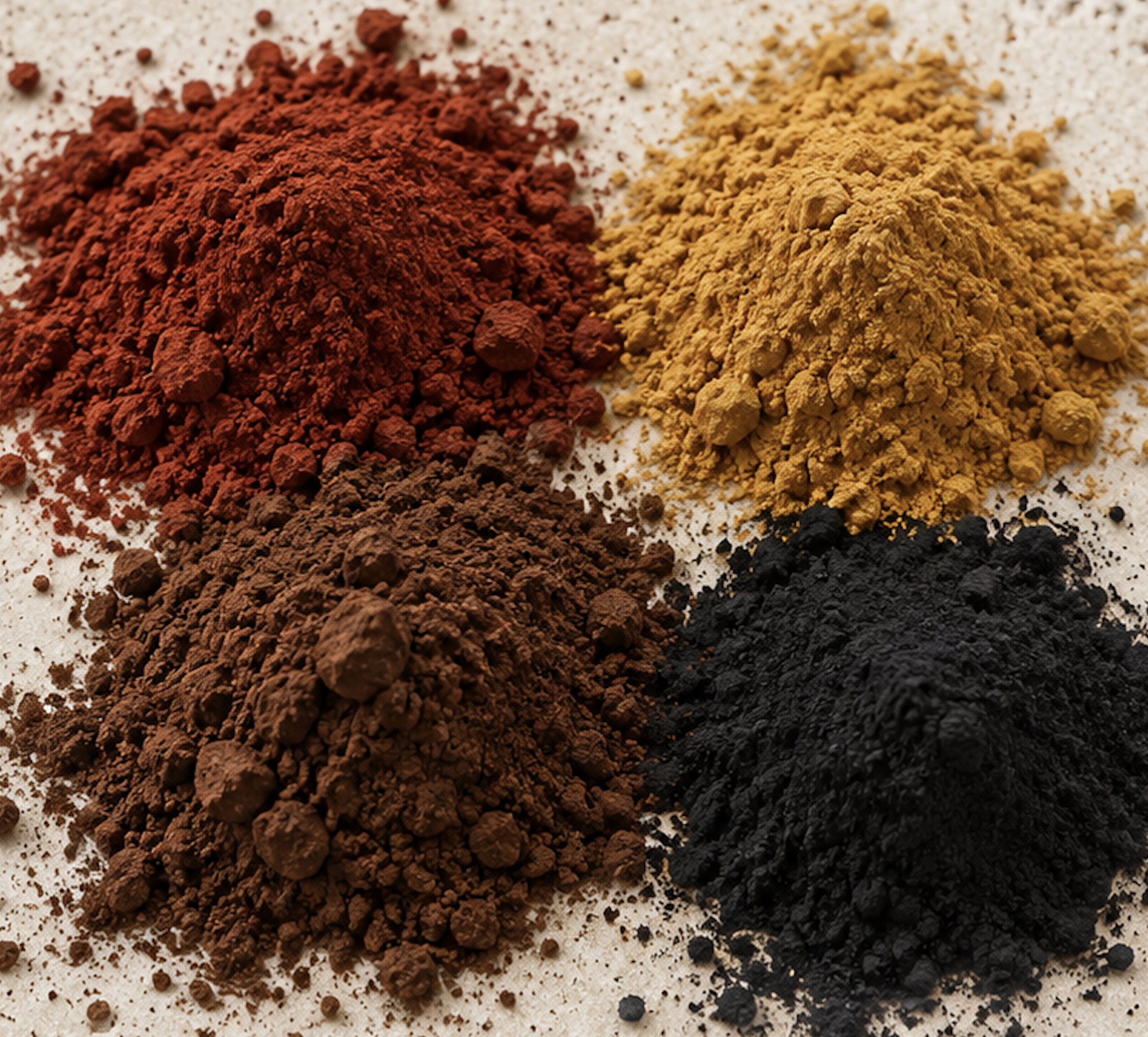 Iron OxidesOn the label: Iron Oxides (non-nano, uncoated)Pigments ↗This is the color. Three oxides in different ratios make every shade we sell, which is why the shades read as skin rather than as paint, and why they do not oxidize orange over the day.
 - 12Titanium DioxideOn the label: Titanium DioxidePigments ↗It may be used to adjust brightness and opacity by shade. The product label lists it under ‘may contain,’ so we preserve that qualification here.
Listed in the order they appear on the label. Every row opens its full glossary entry.
How this compares
Baked Pressed Mineral Eyeshadow against a conventional compact.
A complete list should be standard. Trade-secret and fragrance rules can legally compress combinations, while other gaps may come from incomplete formulation knowledge. Our ladder is the evidence; the formula experience and meaningful alternatives are the difference.
Product questions, answered
Before you make it yours.
Practical answers drawn from this product’s formula, finish, and wear.
How it wears & how to use
Sweep once for a translucent wash of color.
Press onto the lid to build richer pigment while keeping the baked texture visible.
Use Bark for depth, Nectar for light, and Olive as a dimensional green statement.
Is it right for your skin?
A single-color mineral eyeshadow, literally baked for airy texture and dimensional variation in the pan.
Buildable color that can be swept sheer or pressed on for richer, textured payoff.
If you are between shades, use our shade guidance before choosing.
What this formula leaves out
zinc oxide · boron nitride · ultramarines · bismuth oxychloride · talc · gluten
These are specific to this formula. Read our formulation standards for the sitewide never-list.
Shipping & returns
Free standard US shipping on orders $49 and over.
Returns are accepted within 30 days of delivery. Read the shipping policy and refund policy.
Is this the same as the eyeshadow trio?
No. This is one full-size baked solid shade with visible tonal texture and variation; the trio combines three coordinated pans.
Why does the label say may contain?
Iron oxides and titanium dioxide are colorants that can vary by shade. We show that label language rather than implying every shade uses an identical pigment blend.
30-day guarantee
Returns and exchanges within 30 days of delivery.
Free US shipping $49+
Otherwise $3.99–4.99 flat. Ships from Texas.
Free shade help
Tell us what you wear now; we tell you where you land.
Choose by formula
Compare meaningful ingredient differences before you buy.
True of everything we make
Talc-free · Carmine-free · Paraben-free · Synthetic-fragrance-free · Nanoparticle-free · Gluten-free · Cruelty-free