Ingredient Logic
The Ingredient Glossary
One entry per ingredient, written once and surfaced everywhere — on flip cards, on product ladders, and here. If an ingredient is in an ingredientlogic formula, it has a page.
Ethically Sourced Mica
A naturally occurring silicate mineral, ground and pressed into thin reflective platelets.
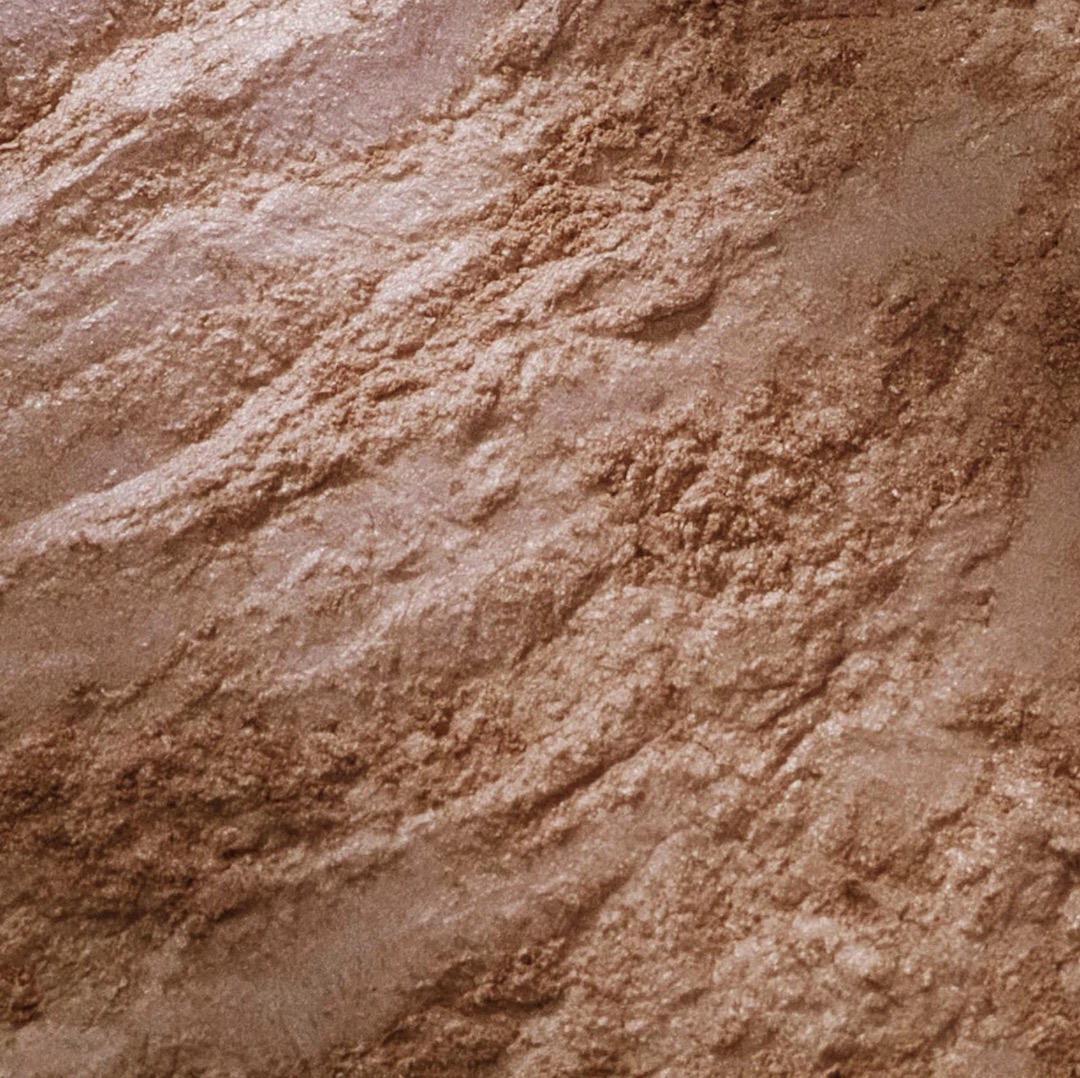
It is the body of the baked pressed formulas — the platelet structure is what lets a powder sit flat on skin, diffuse light instead of sitting on top of it, and carry pigment evenly across the face.
Full entry →Sericite Mica
A finer-milled variety of mica with a smaller, silkier platelet than standard cosmetic mica.
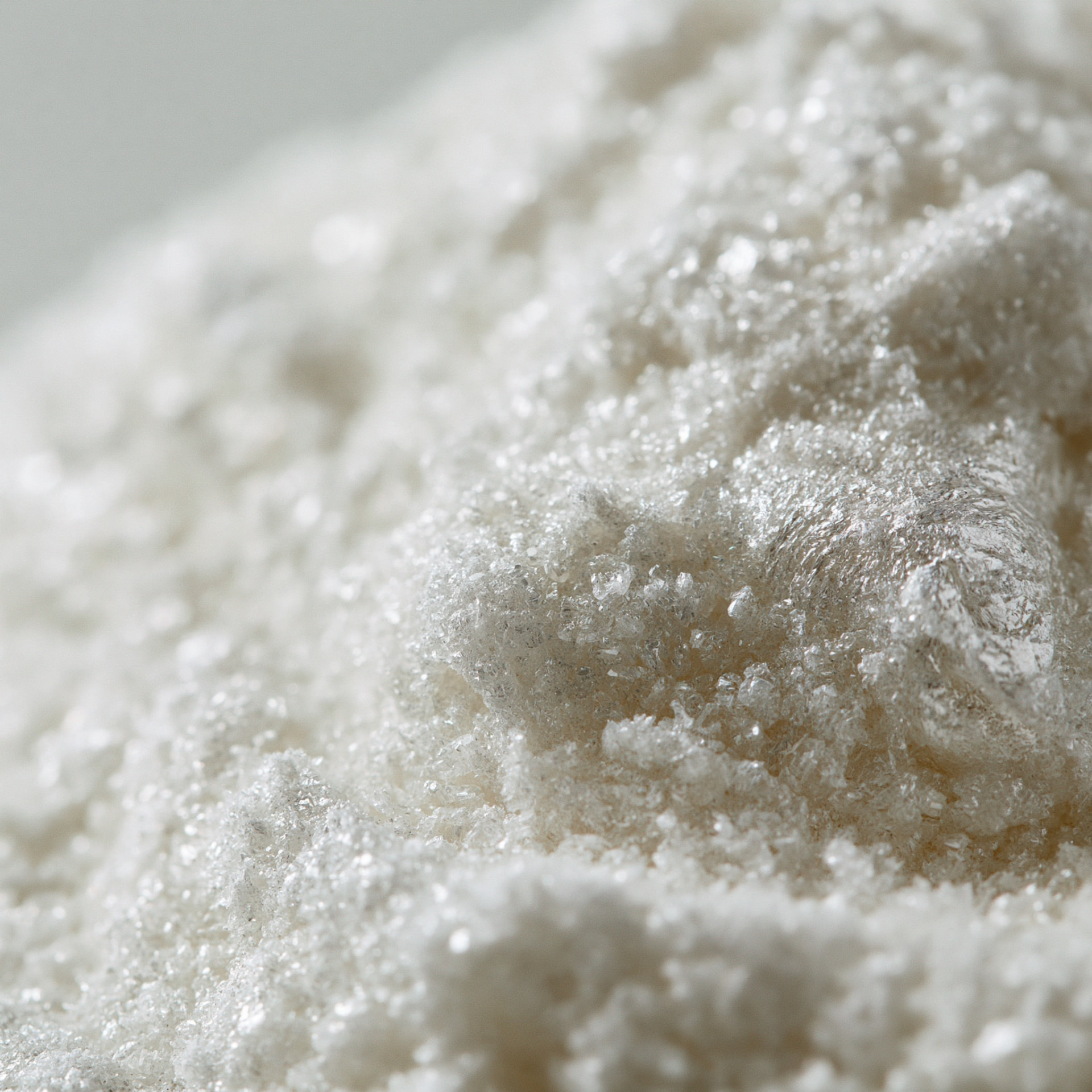
It refines the texture of the base. Where mica gives the powder its body, sericite gives it slip — the fine particle size is what makes a pressed mineral feel silky rather than chalky under a brush.
Full entry →Simmondsia Chinensis (Jojoba) Seed Oil
A liquid wax ester pressed from the seed of the jojoba shrub, structurally close to the oil skin produces on its own.
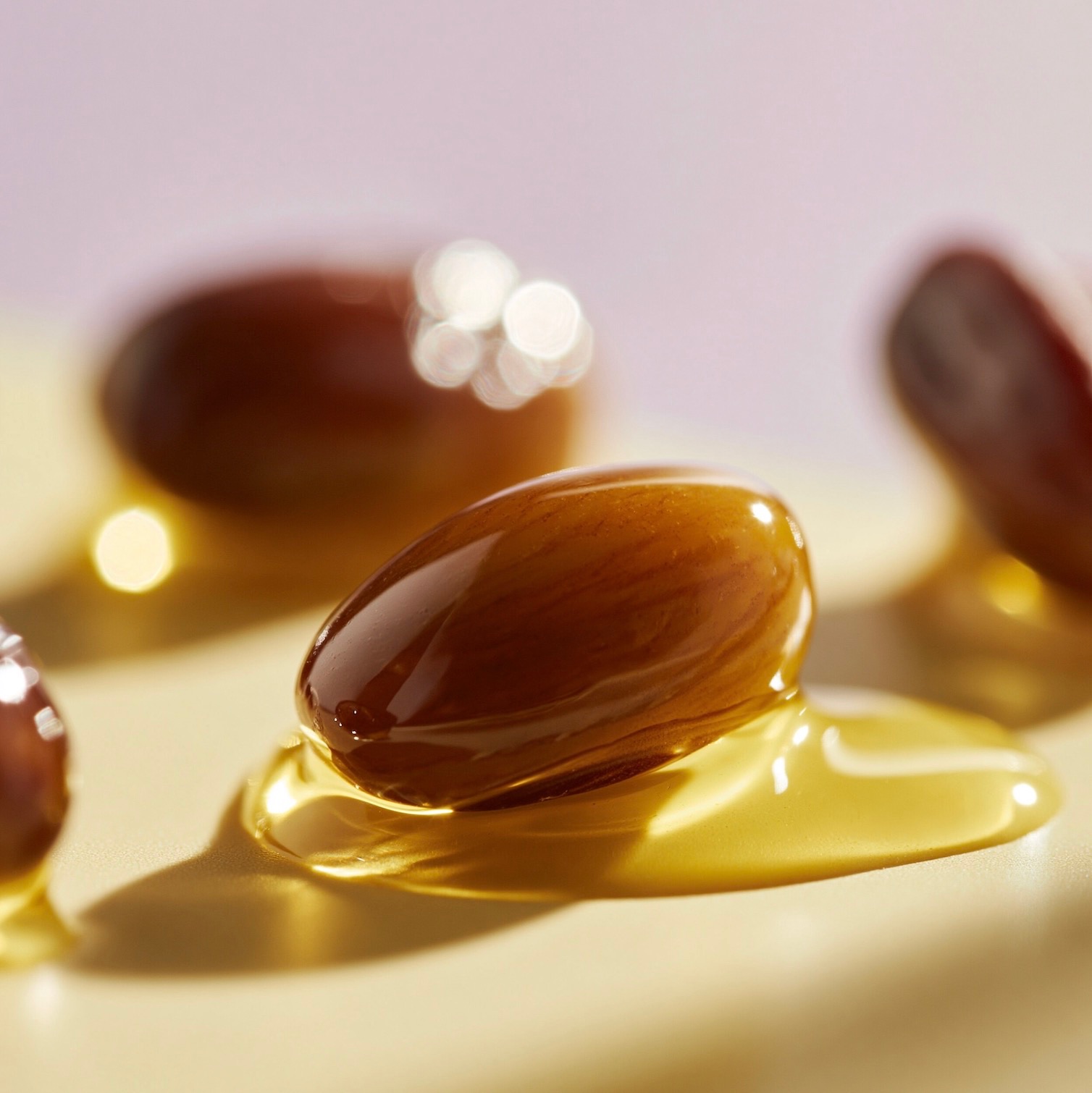
It is the reason a dry pressed powder behaves like a cream. Jojoba softens at skin temperature and blends with your own oils, which is what gives the baked pressed line its shade-adaptive wear and buildable medium-to-full coverage without a powdery edge.
Full entry →Carthamus Tinctorius (Safflower) Seed Oil
A light oil pressed from safflower seed.
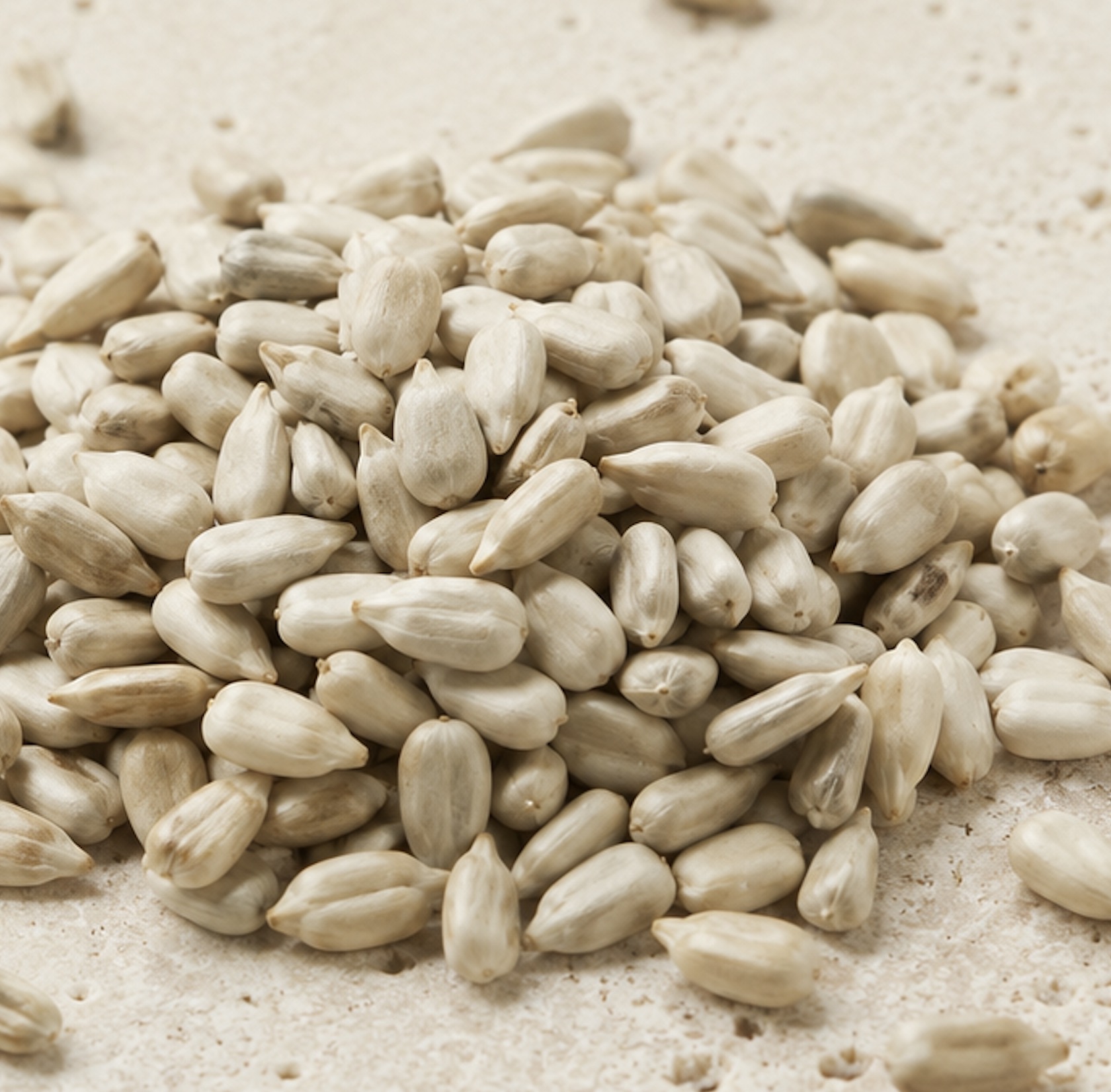
It is the one addition that separates the blush from the foundation. Blush needs to sheer out and stop where you stop it, and safflower's lighter body gives the pigment a longer, more forgiving blend window on the cheek.
Full entry →Lavandula Angustifolia (Lavender) Flower Extract
An extract of true lavender flower.
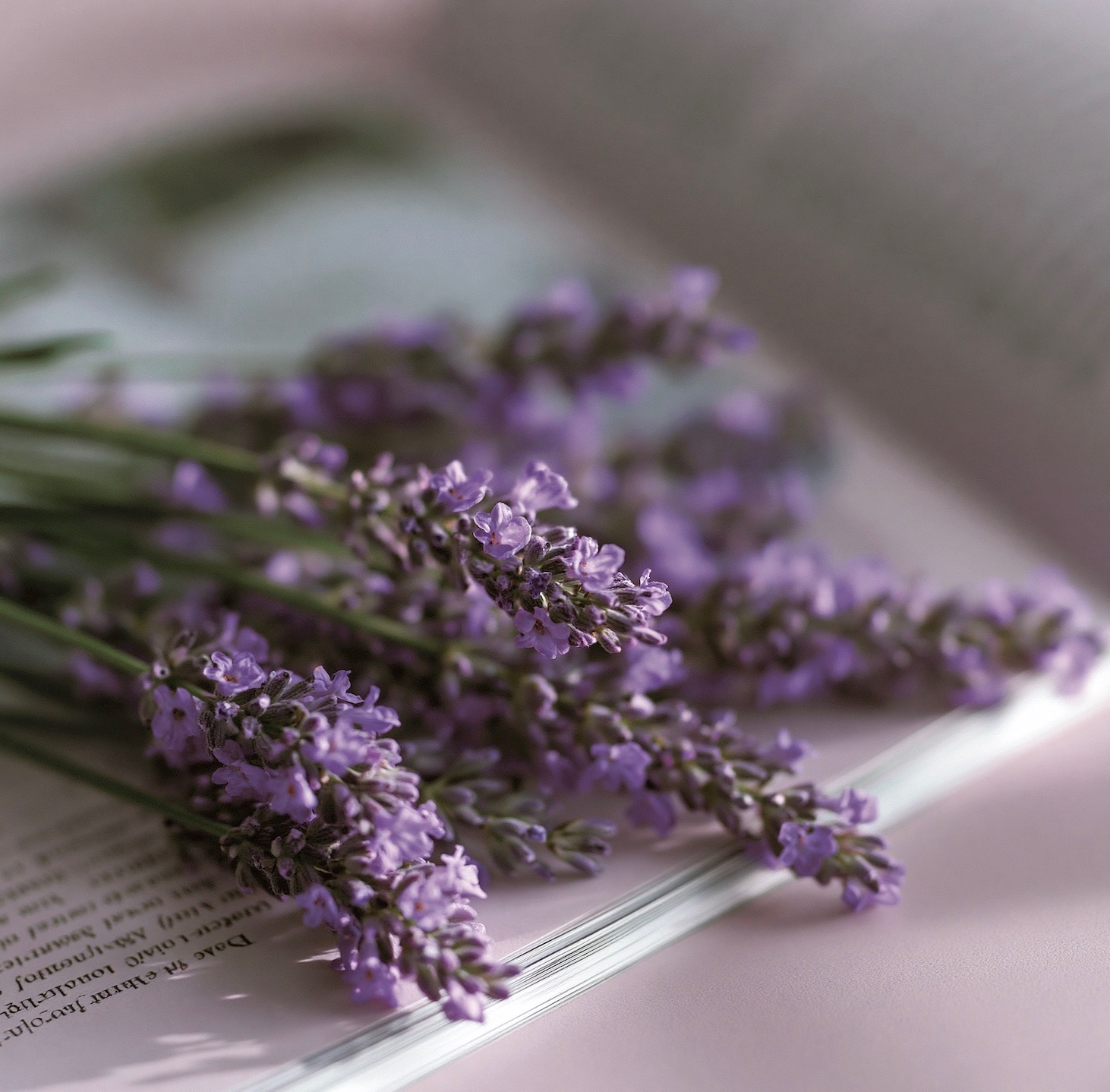
Part of the botanical preservation system. Lavender has traditionally been used to help keep formulas fresh, which is how we hold a powder stable without parabens or phenoxyethanol.
Full entry →Thymus Vulgaris (Thyme) Extract
An extract of common garden thyme.
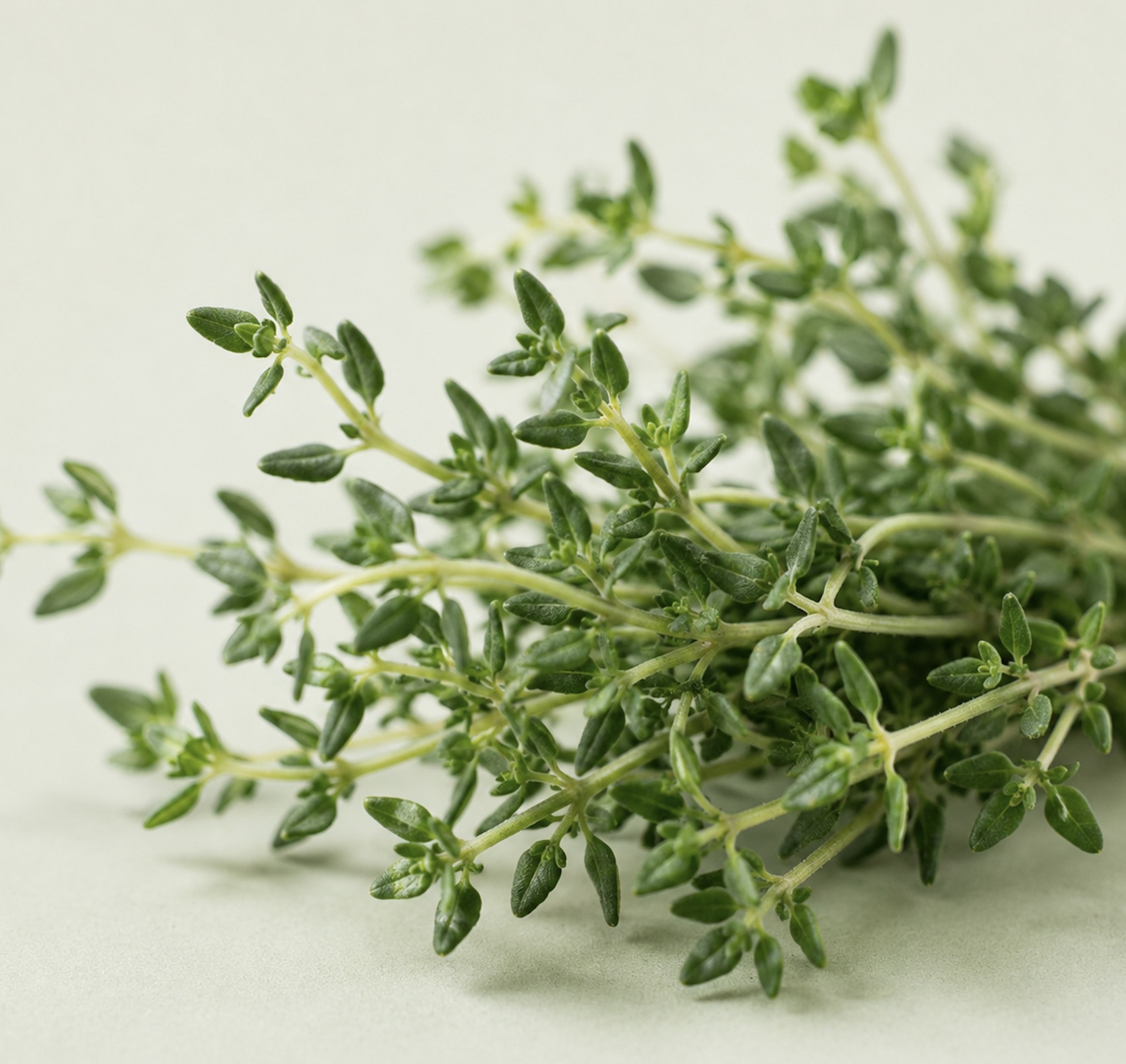
Part of the botanical preservation system. Thyme is traditionally used to help keep formulas fresh, and it is one of the reasons the ingredient list can end at nine names.
Full entry →Camellia Sinensis (Green Tea) Extract
An extract of the green tea leaf.
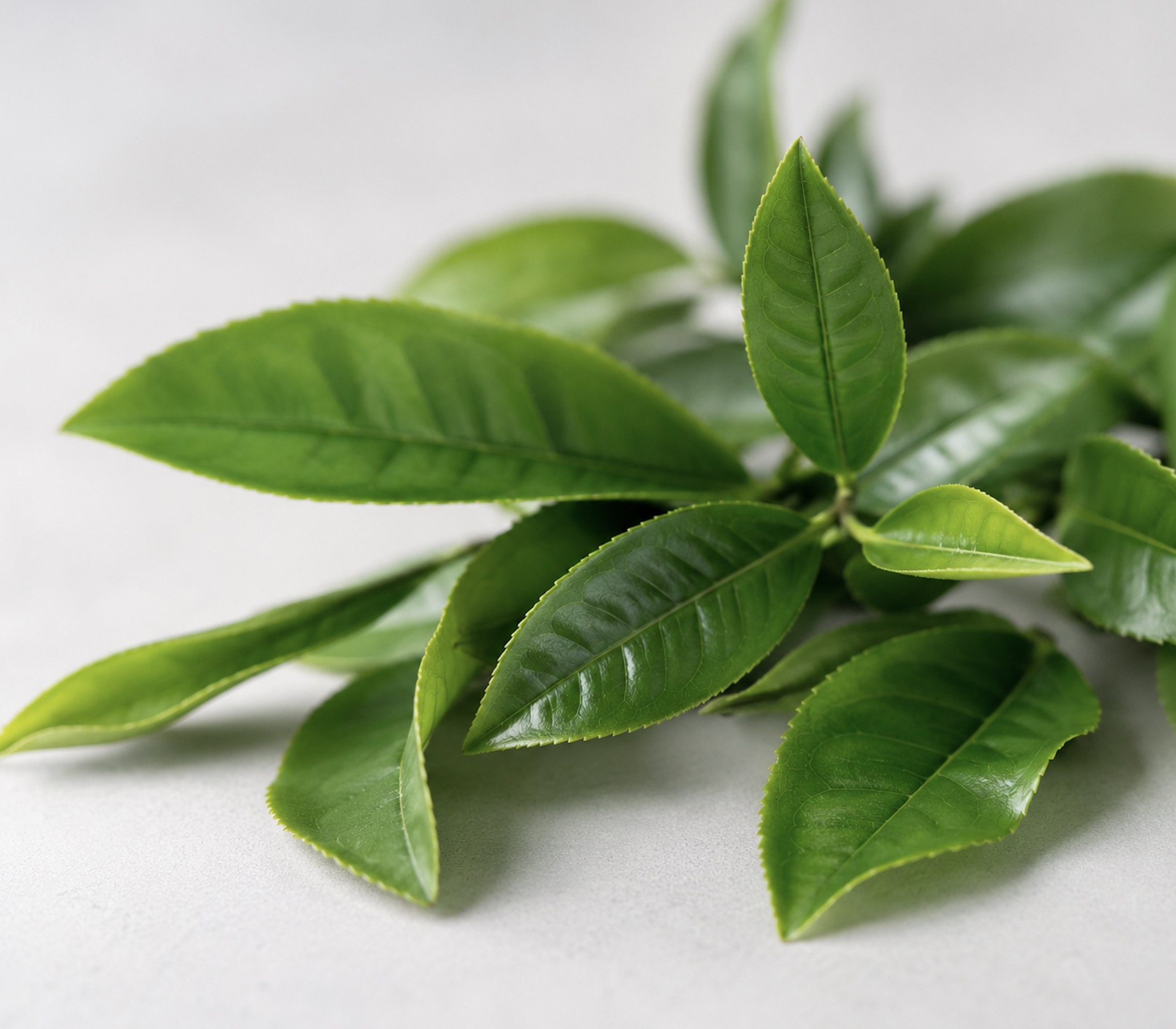
An antioxidant botanical that helps protect the oils in the formula from going off, so the compact stays true through the life of the pan.
Full entry →Rosmarinus Officinalis (Rosemary) Leaf Extract
An extract of rosemary leaf.
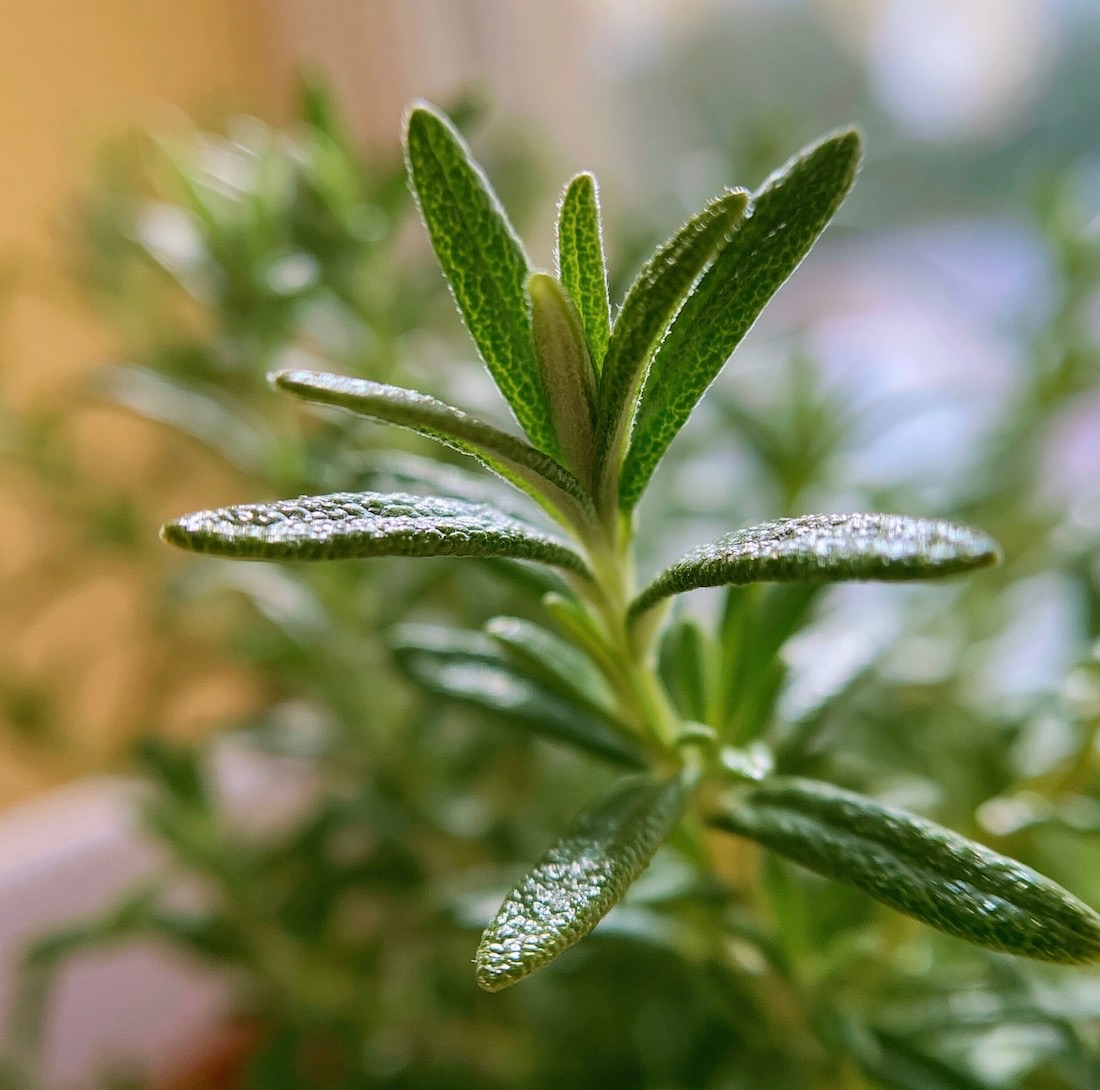
The most established natural antioxidant in the botanical preservation system. It guards the jojoba and safflower oils against oxidation, which is what lets us skip a synthetic preservative.
Full entry →Tocopheryl Acetate (Vitamin E)
A stable form of vitamin E.
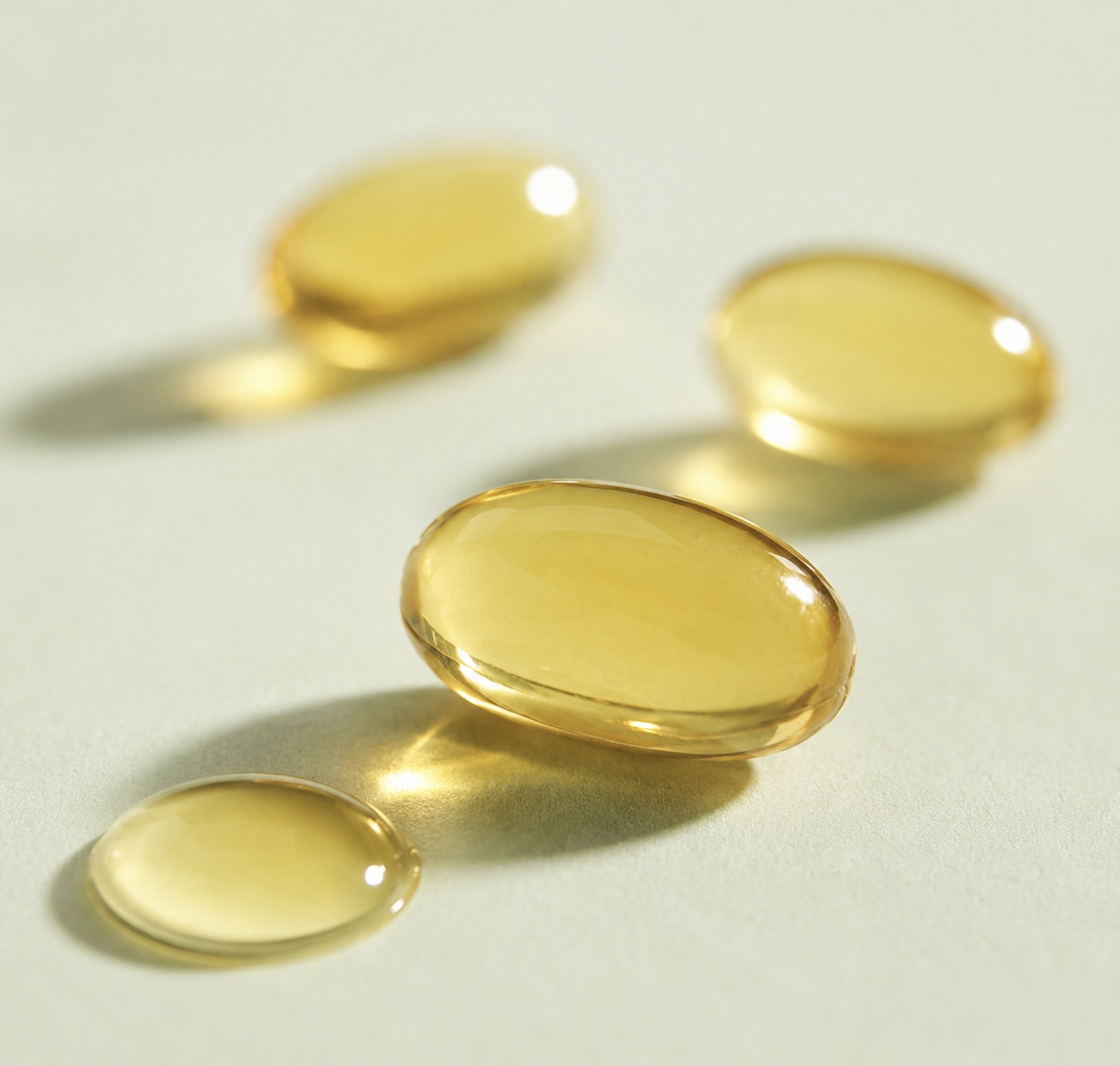
It does two jobs at once: it conditions the powder so it reads soft on skin, and it works with the rosemary and green tea to keep the oil phase stable.
Full entry →Iron Oxides (non-nano, uncoated)
The mineral pigments — red, yellow and black iron oxide — that every shade in the line is built from.
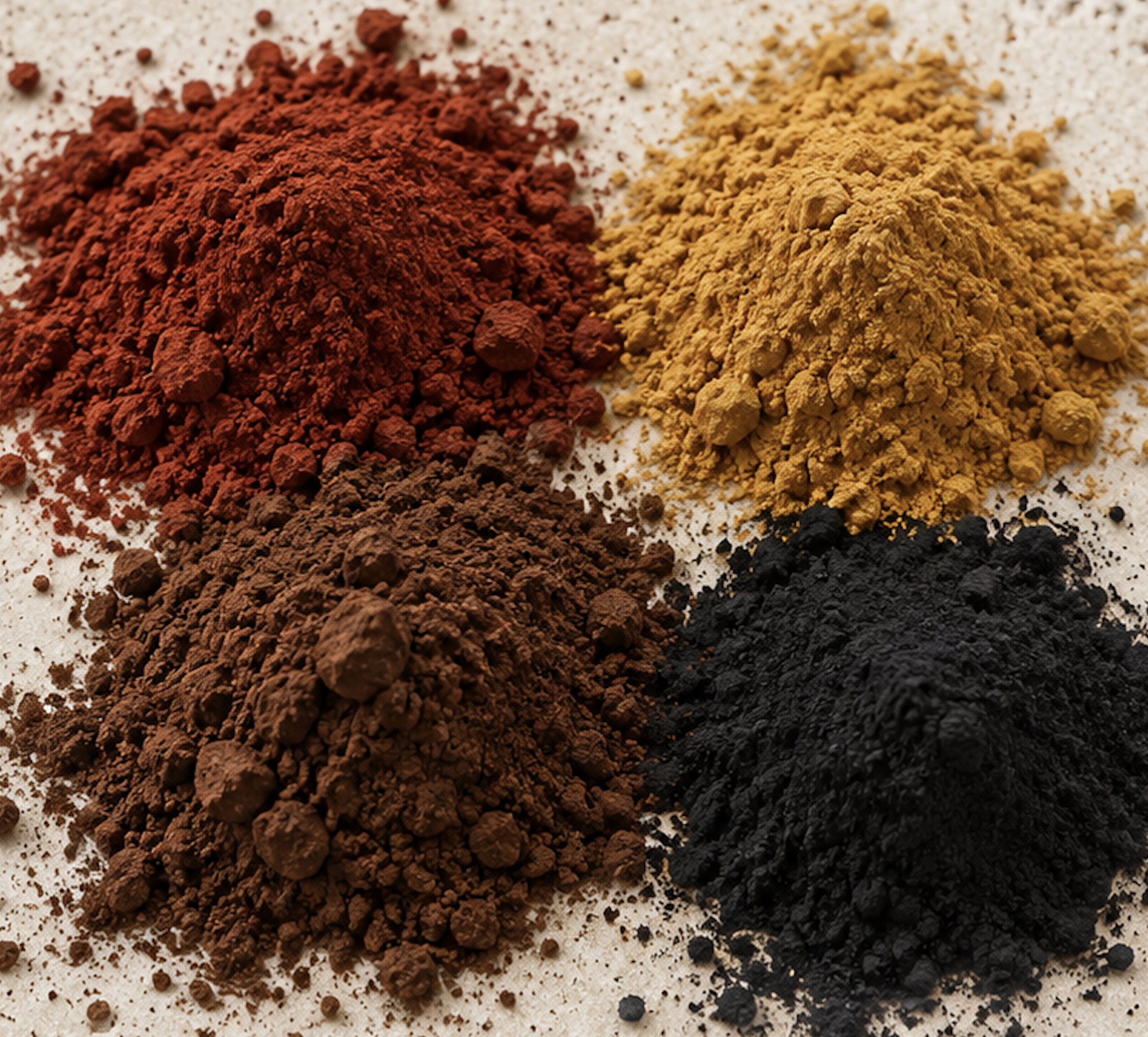
This is the color. Three oxides in different ratios make every shade we sell, which is why the shades read as skin rather than as paint, and why they do not oxidize orange over the day.
Full entry →Organic Aloe Vera Juice
Juice pressed from the aloe leaf, certified organic.
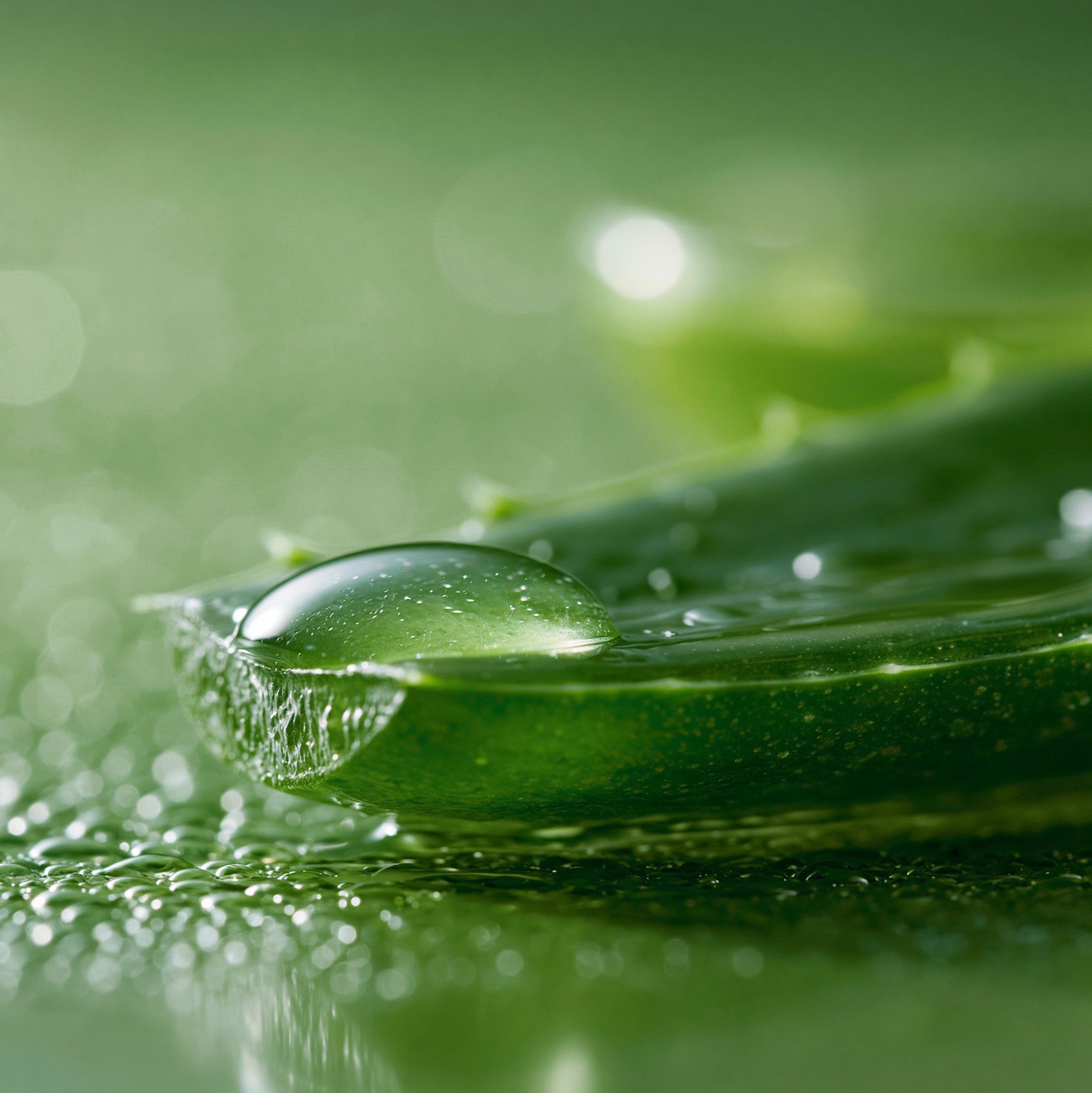
It is the base of the Liquid Foundation — the first ingredient, in place of the water-and-silicone base most liquid foundations start from. Everything else in the formula is suspended in it.
Full entry →Purified Water
Water, purified to cosmetic grade.
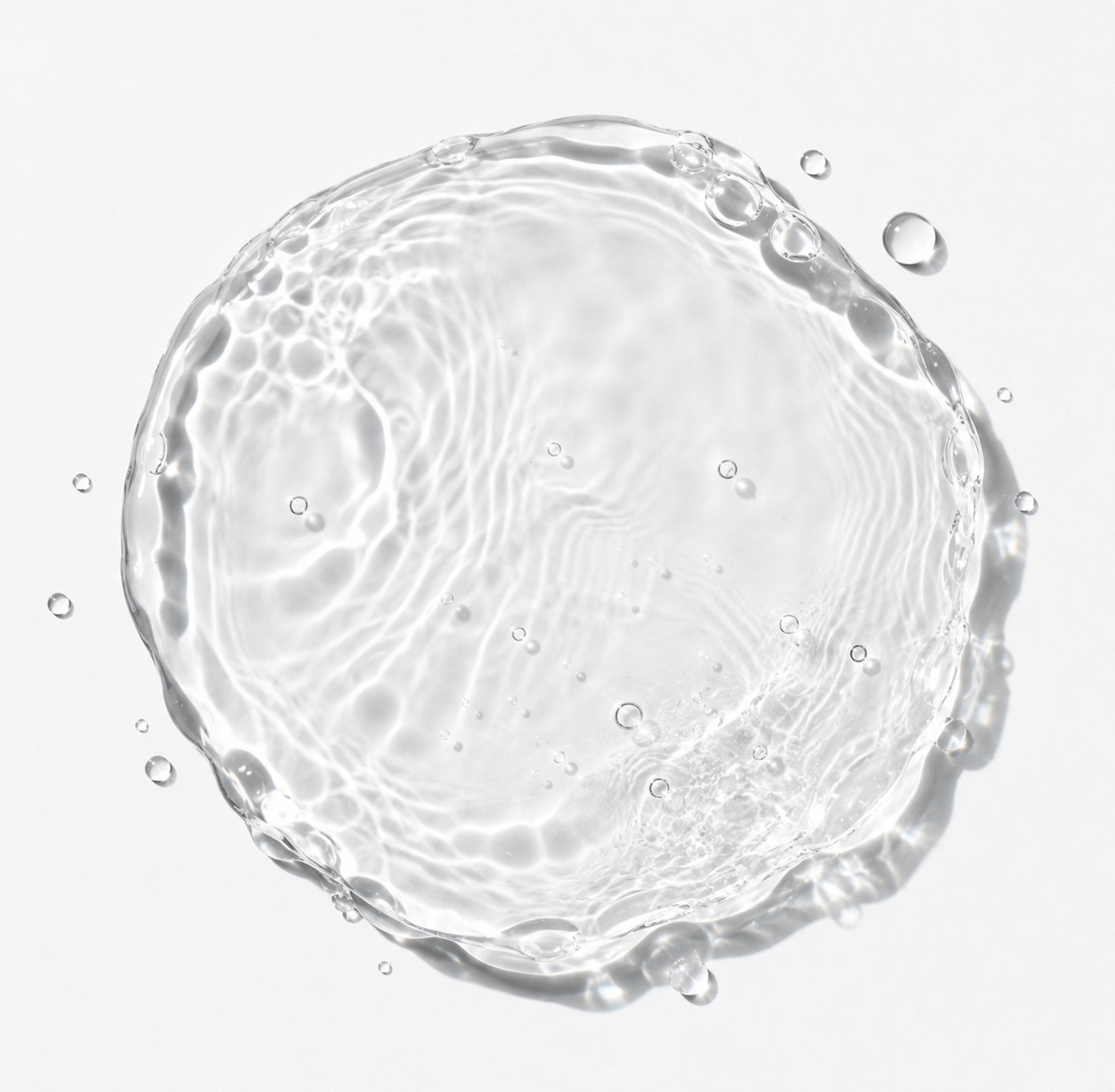
It adjusts the viscosity of the aloe base so the formula meters evenly through the pump and spreads without dragging.
Full entry →Organic Glycerin
A humectant that draws and holds water.
It keeps the film flexible on skin. Without it a botanical foundation tightens as it sets and starts to sit in fine lines by the afternoon.
Full entry →Squalane
A saturated, plant-derived lipid identical to one skin makes naturally.
It is the emollient that makes full coverage wearable. Squalane spreads far for its weight, so pigment load can go up without the foundation reading heavy.
Full entry →Organic Rice Powder
Finely milled rice starch.
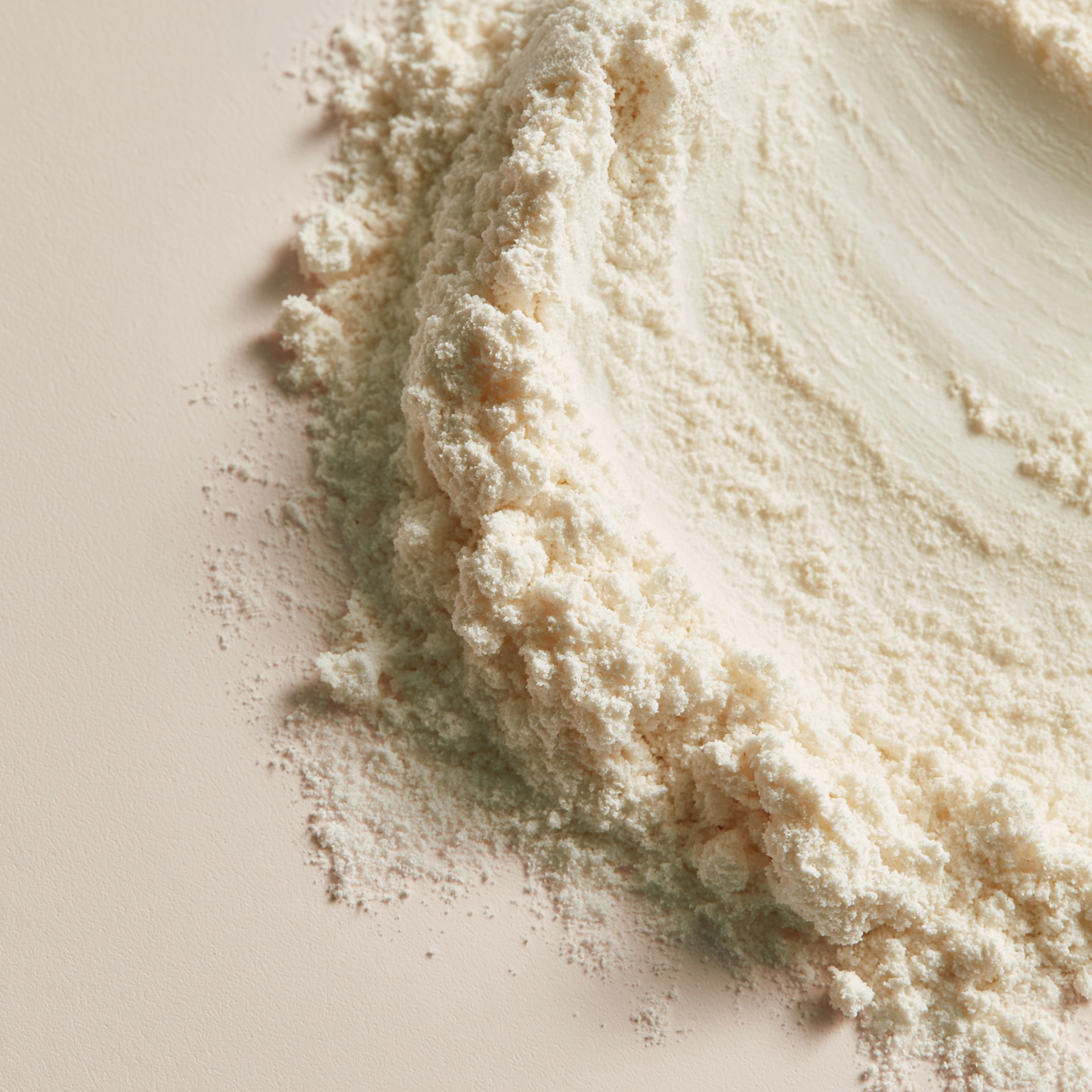
It absorbs surface oil through the day so the finish holds. This is the natural stand-in for the silica and silicone elastomers that usually do this job.
Full entry →Boron Nitride
A synthetic mineral with a platelet structure similar to mica's, used for soft-focus diffusion.
Soft focus. It scatters light across the surface of the foundation so full coverage looks like skin rather than like a layer, without using mica.
Full entry →Candelilla Wax
A plant wax from the candelilla shrub — the vegan alternative to beeswax.
It gives the emulsion structure and keeps the pigment from separating out in the bottle, so the shade you shake is the shade you pump.
Full entry →Organic Shea Butter
Fat pressed from the nut of the shea tree, certified organic.
It is the richness that keeps a high-coverage formula from looking flat, and it carries the fat-soluble botanicals through the emulsion.
Full entry →Organic Chamomile
An extract of chamomile flower, certified organic.
A comfort botanical for skin that has reacted before. It also contributes to the freshness of the botanical preservation system.
Full entry →Organic Vanilla
An extract of the vanilla bean, certified organic.
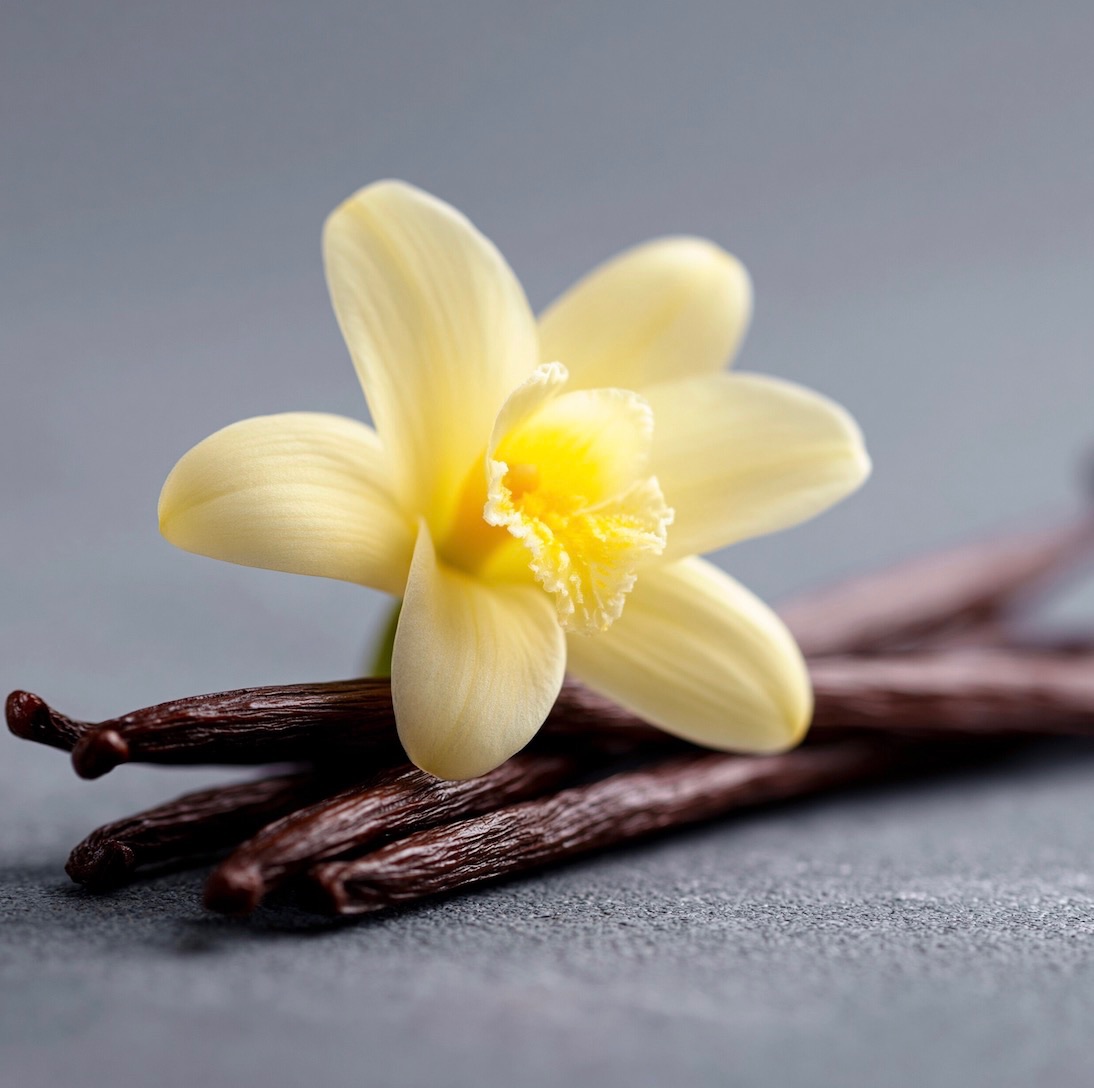
It is here for scent, and we would rather name it than write the word fragrance. There is no synthetic fragrance in the formula and nothing hiding behind a proprietary blend — this is the whole of the scent story.
Full entry →Organic Lecithin
A plant-derived phospholipid, certified organic.
It is the emulsifier — the thing that lets the aloe-water phase and the squalane-shea oil phase live in one bottle without a synthetic surfactant.
Full entry →Oregano Leaf
An extract of oregano leaf.
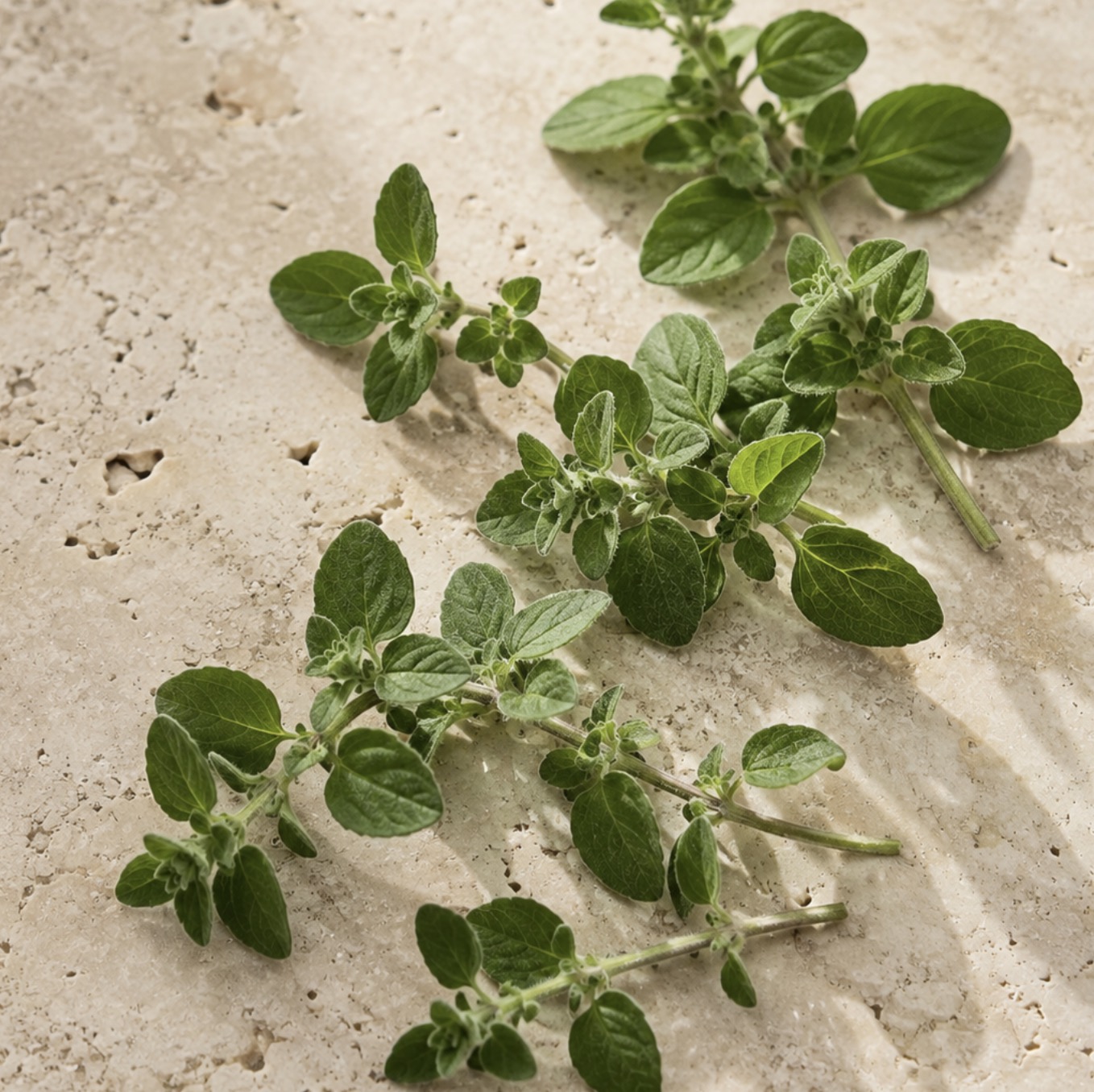
The lead botanical in the preservation system of the Liquid Foundation. Traditionally used to help keep formulas fresh, it is a large part of why the bottle needs no parabens or phenoxyethanol.
Full entry →Olive Leaf
An extract of the olive tree leaf.
Part of the botanical preservation system, working alongside oregano, thyme, rosemary, lavender and goldenseal.
Full entry →Goldenseal
An extract of the goldenseal root, a North American woodland plant.
The sixth botanical in the preservation system. Six named plants doing the job that one unnamed synthetic usually does — that trade-off is the whole reason the list is longer and fully disclosed.
Full entry →Non-Nano Titanium Dioxide
A white mineral pigment, used here in non-nano particle size so it stays on the surface of skin.
It is the opacity in the Liquid Foundation. Full coverage from botanicals needs a white base pigment to build the iron oxides against, and non-nano titanium dioxide is the one that does it without mica.
Full entry →Silica
Micro-fine spherical mineral particles milled from silicon dioxide, the same mineral family as sand and quartz.
It does the blurring and the shine control. The spheres roll against each other, so a powder built on silica presses smooth and keeps surface oil from pooling through the day.
Full entry →Dimethicone
A silicone fluid, used at low levels as a slip and spread agent.
It is the glide in Blur + Set — what lets a translucent powder press down rather than sit on top.
Full entry →Polymethylsilsesquioxane
Solid silicone microspheres, dry to the touch rather than fluid.
It is the soft-focus layer in Blur + Set. Round particles scatter light across fine lines instead of settling into them, which is what makes a setting powder read as blur rather than as coverage.
Full entry →Lauroyl Lysine
An amino-acid derivative of lysine and coconut-derived lauric acid, in fine platelet form.
It is the adhesion. Lauroyl lysine is what makes a powder cling where you press it rather than migrating, so Blur + Set stays put in the areas you actually set.
Full entry →Isostearyl Palmitate
A light plant-derived ester used as the binding oil phase of a pressed powder.
It binds the cake. Without a binder a silica-heavy powder crumbles in the pan, so this is what holds Blur + Set together across a handbag lifetime.
Full entry →Phenoxyethanol
A widely used cosmetic preservative, present in our formulas at 0.01–1%.
It keeps a water-containing formula safe over its shelf life. In the mascara this matters most: bacterial growth in a product used near the eyes is a real risk, and we would rather name a preservative than accept that risk.
Full entry →Ultramarine
A synthetic mineral pigment in the blue-to-violet range, made from clay and sulfur.
It is the cool end of the color. In the Cream Foundation a trace of it neutralizes orange so tan and deep shades read true rather than brassy.
Full entry →Cocos Nucifera (Coconut) Oil
Oil pressed from coconut kernel, solid at room temperature and melting at skin temperature.
It is the base of the Cream Foundation — the first ingredient, and the reason a solid stick turns into a spreadable film the moment it meets your face.
Full entry →Helianthus Annuus (Sunflower) Seed Oil
A light, high-linoleic oil pressed from sunflower seeds.
It thins the coconut oil into something blendable. Coconut alone would sit heavy; sunflower is what lets the Cream Foundation move under fingers and stop where you stop.
Full entry →Mineral-Derived Ozokerite
A mineral wax, used to set the structure of an oil-based stick.
It is the structure. Two liquid oils and a pigment load will not hold a shape, so ozokerite is what makes the Cream Foundation a stick rather than a jar.
Full entry →Copernicia Cerifera (Carnauba) Wax
The hardest natural plant wax, harvested from the leaves of the Brazilian carnauba palm.
It raises the melting point so the formula survives a warm bag, and in the mascara it is what builds length along the lash without flaking.
Full entry →Cymbopogon Martini (Palmarosa) Oil
An essential oil distilled from palmarosa grass, with a soft rose-like aroma.
It is traditionally used to help keep an oil-based formula fresh, and it is the reason the Cream Foundation carries a natural scent. This product is not unscented, and we would rather say so on the label.
Full entry →Vegetable-Derived Stearic Acid
A plant-derived fatty acid used to thicken and stabilize an oil phase.
It gives the Cream Foundation its body — the difference between a greasy balm and a foundation that sets to a skin-like finish.
Full entry →Sunflower Seed Wax
A hard plant wax refined from sunflower seed oil.
It is the flexible part of the mascara's wax system. Carnauba gives hardness, sunflower wax gives bend, and lashes need both or the coat cracks when you blink.
Full entry →Sucrose Stearate
A mild emulsifier made from sugar and stearic acid.
It holds the waxes and the water together. Without an emulsifier a mascara separates in the tube within weeks.
Full entry →Chicory Root Extract
A plant extract rich in inulin, drawn from chicory root.
It conditions the film left on the lash, which is what stops a natural mascara from feeling brittle by the end of the day.
Full entry →Propanediol
A corn-derived humectant and solvent.
It keeps the formula from drying out in the tube and helps the botanical extracts stay in solution.
Full entry →Galactoarabinan
A polysaccharide from larch tree wood.
It is the film-former that carries length. Each coat lays a thin flexible film along the lash, which is how a wax mascara extends the tip without a fiber additive.
Full entry →Caprylyl Glycol
A skin-conditioning glycol that also boosts the performance of other preservatives.
It lets the phenoxyethanol work at the low end of its range. Less preservative for the same stability is a trade worth naming.
Full entry →Potassium Sorbate
A mild food-grade preservative, the potassium salt of sorbic acid.
It covers mold and yeast, which the phenoxyethanol alone does not fully address in a water-based eye formula.
Full entry →Caesalpinia Spinosa (Tara) Gum
A thickening gum from the seed of the tara tree.
It sets the viscosity of the mascara — thick enough to coat in one pass, thin enough not to clump on the second.
Full entry →Acacia Senegal Gum
A tree gum tapped from acacia, used as a natural binder.
It is the hold. Acacia gum is what keeps the curl and the length in place for the day without a synthetic film-former.
Full entry →Organic Cinnamomum Zeylanicum (Cinnamon) Bark Extract
An extract of true cinnamon bark, certified organic.
Another named plant in the primer's botanical preservation system, in place of a synthetic preservative.
Full entry →Rosa Canina (Rosehip) Seed Oil
A light, fast-absorbing oil pressed from the seeds of the wild rose hip.
It is the slip in the primer. Rosehip absorbs quickly, so makeup can go on top within a minute rather than sliding around on an oily layer.
Full entry →Oryza Sativa (Rice Bran) Wax
A hard plant wax refined from rice bran oil.
It gives the primer enough body to stay where you smooth it, so it grips foundation instead of being absorbed straight into skin.
Full entry →Hydroxyethylcellulose
A plant-cellulose thickener.
It turns an aloe-and-water base into a gel you can spread evenly across a face. Without it the primer would run.
Full entry →