Pressed vs liquid foundation for sensitive skin
Choosing & Wearing · ingredientlogic Editorial · 3 min read
The short answer
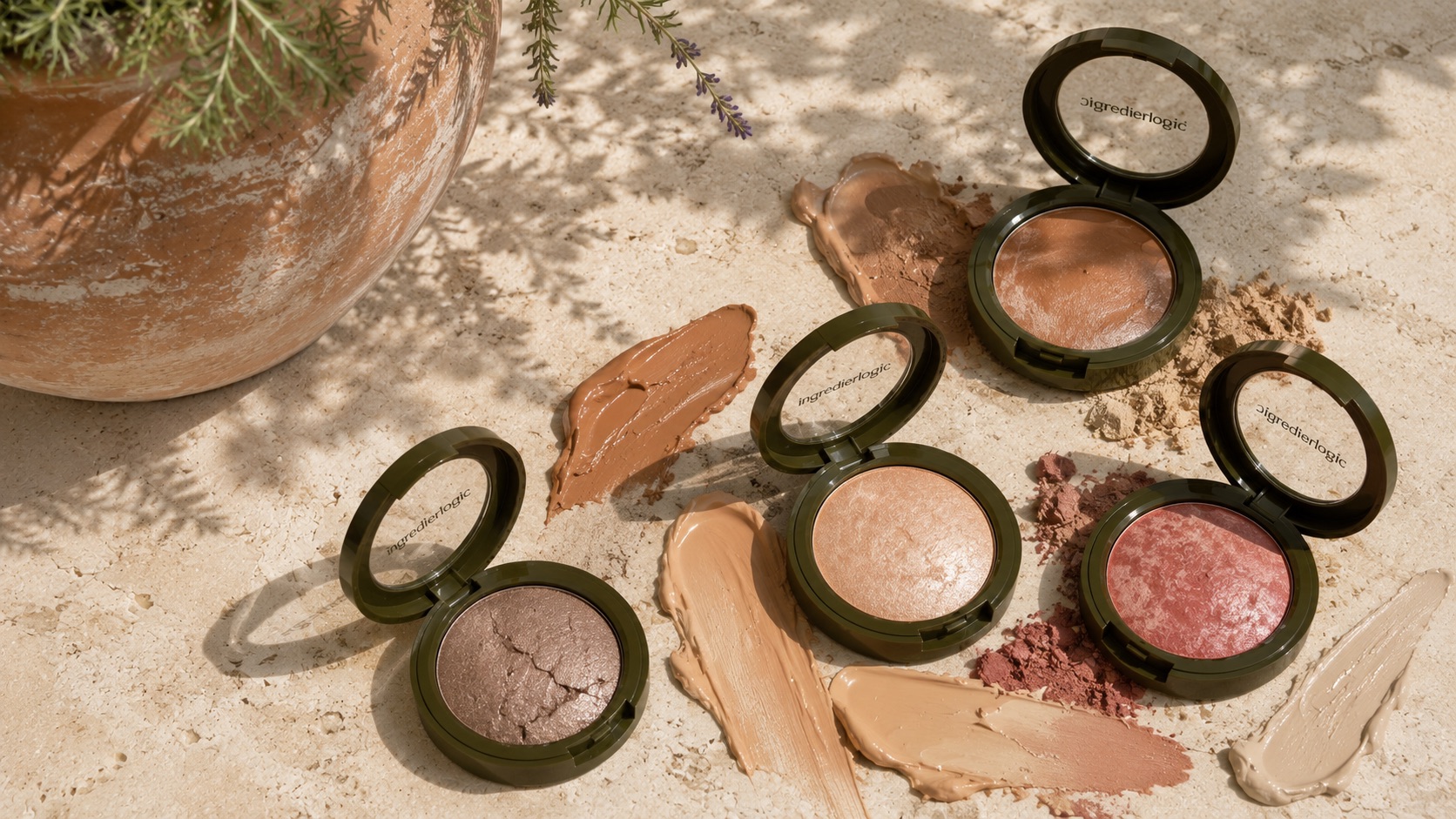
Pressed and liquid foundation differ less in coverage than in what is on the list. Our pressed base is anhydrous, mica-led, and needs no preservative system. The liquid is water-based, mica-free, and uses non-nano titanium dioxide and boron nitride. Pick by which of those you avoid, not by finish.
Contents
Which one has the shorter ingredient list?
The pressed formula runs to 9 ingredients; the liquid runs to 20. Both counts are read straight from the published lists on the product pages, so they move only when a formula does.
A longer list is not automatically a worse one. Water needs help staying stable, and most of the extra lines in the liquid are the botanical preservation system and the humectants that keep it from separating. A dry powder has neither problem, so it can stay short.
Does either contain a preservative?
The pressed formula is anhydrous, so there is no water phase to preserve and no preservative on the list. The liquid contains water and aloe juice, and it is held with a botanical system. Neither approach is safer in the abstract — a preservative is what keeps a water-based product from growing microbes, and phenoxyethanol is a widely used and permitted example of one.
Choose by your avoid list: read both published lists in full and pick the one that does not contain the line you are avoiding.
Which one suits my avoid list — mica or titanium dioxide?
It depends which is on your list, and both are permitted cosmetic ingredients. Mica appears in the first two lines of the pressed ladder and does not appear in the liquid at all. Non-nano titanium dioxide appears near the end of the liquid ladder and does not appear in the pressed base.
So the two products are complements, not a right and a wrong answer. If mica is on your list, the liquid is the one that omits it. If titanium dioxide is on your list, the pressed base is the one that omits it. Silicones, including dimethicone, are on neither list.
Which is easier to patch test?
Both should be tested the same way, on the inner forearm for 24 hours before a full-face wear. Powder is the simpler test to read because it sits on skin instead of soaking in, but a clear result on either needs the full day.
Side by side
| Pressed Foundation | Liquid Foundation | |
|---|---|---|
| Ingredients | 9 on the published list | 20 on the published list |
| Base | Anhydrous — no water | Water and aloe vera juice |
| Preservation — choose by your avoid list | No water phase, so no preservative on the list | Botanical system; no phenoxyethanol on the list |
| Mica — choose by your avoid list | On the list | Not on the list |
| Titanium dioxide — choose by your avoid list | Not on the list | On the list, non-nano |
| Silicones (dimethicone) — choose by your avoid list | Not on the list | Not on the list |
| Boron nitride — choose by your avoid list | Not on the list | On the list |
| Scent source | Lavender, thyme, rosemary | Vanilla and the botanical extracts |
| Coverage | Builds in layers | Full in one pass |
Read the Pressed Foundation label →Read the Liquid Foundation label →
In our formulas
Generated from our published formula lists. Sericite Mica / Titanium Dioxide / Boron Nitride, product by product.
Contains it
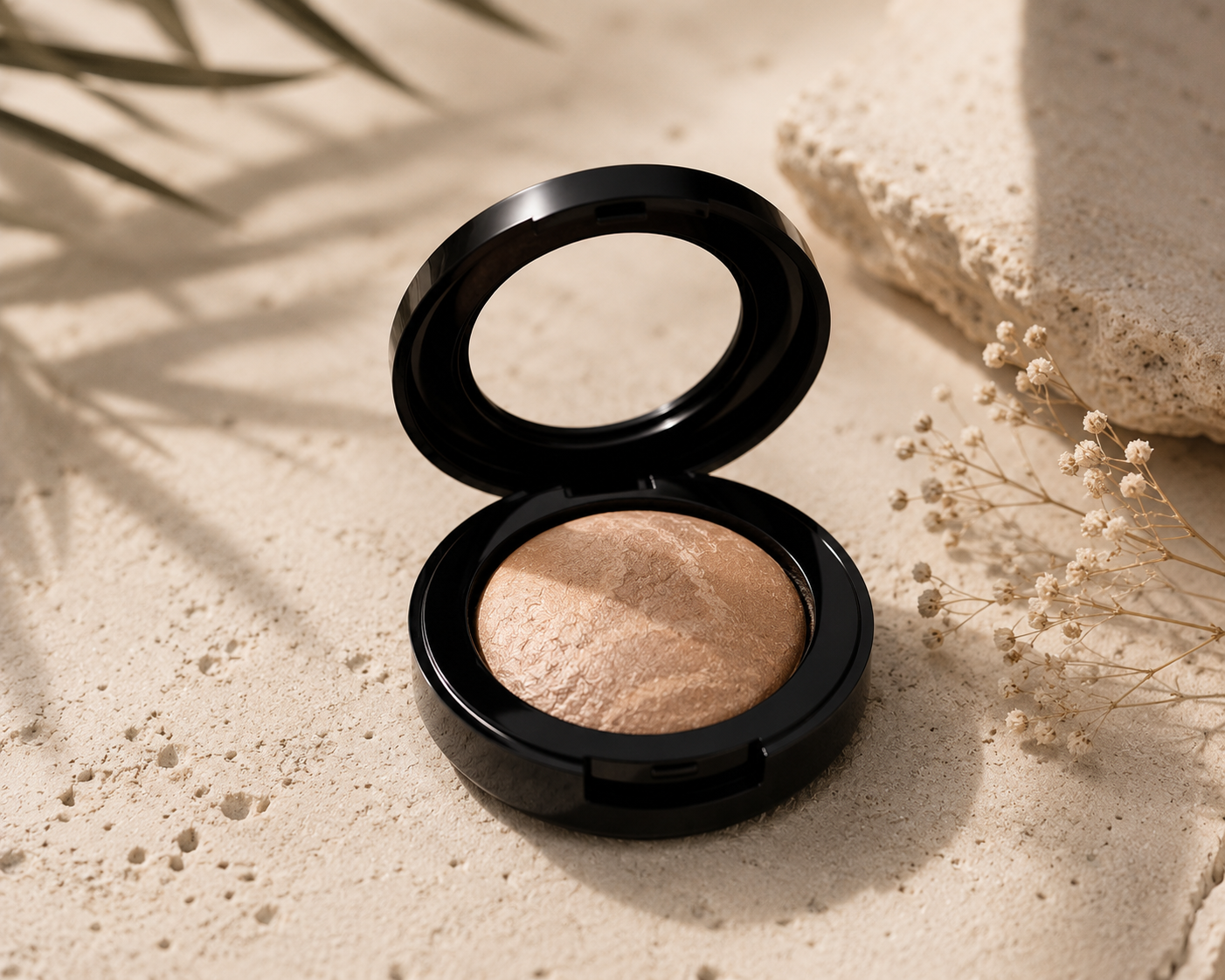 Long-Lasting Silky-Soft Pressed Mineral FoundationRead the label →
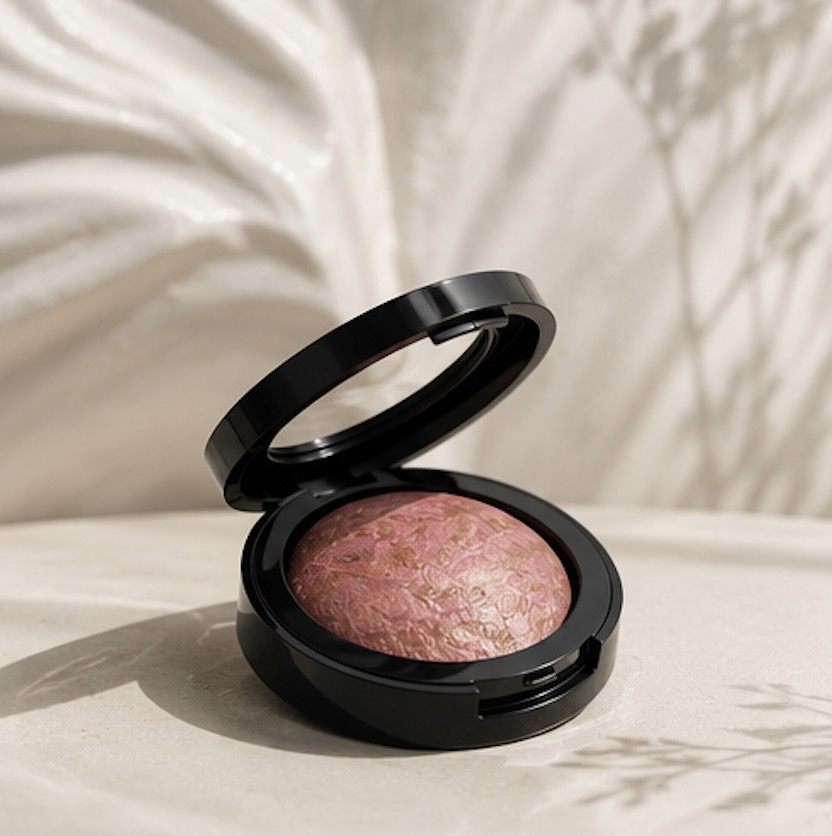 Long-Lasting Silky-Soft Pressed Mineral BlushRead the label →
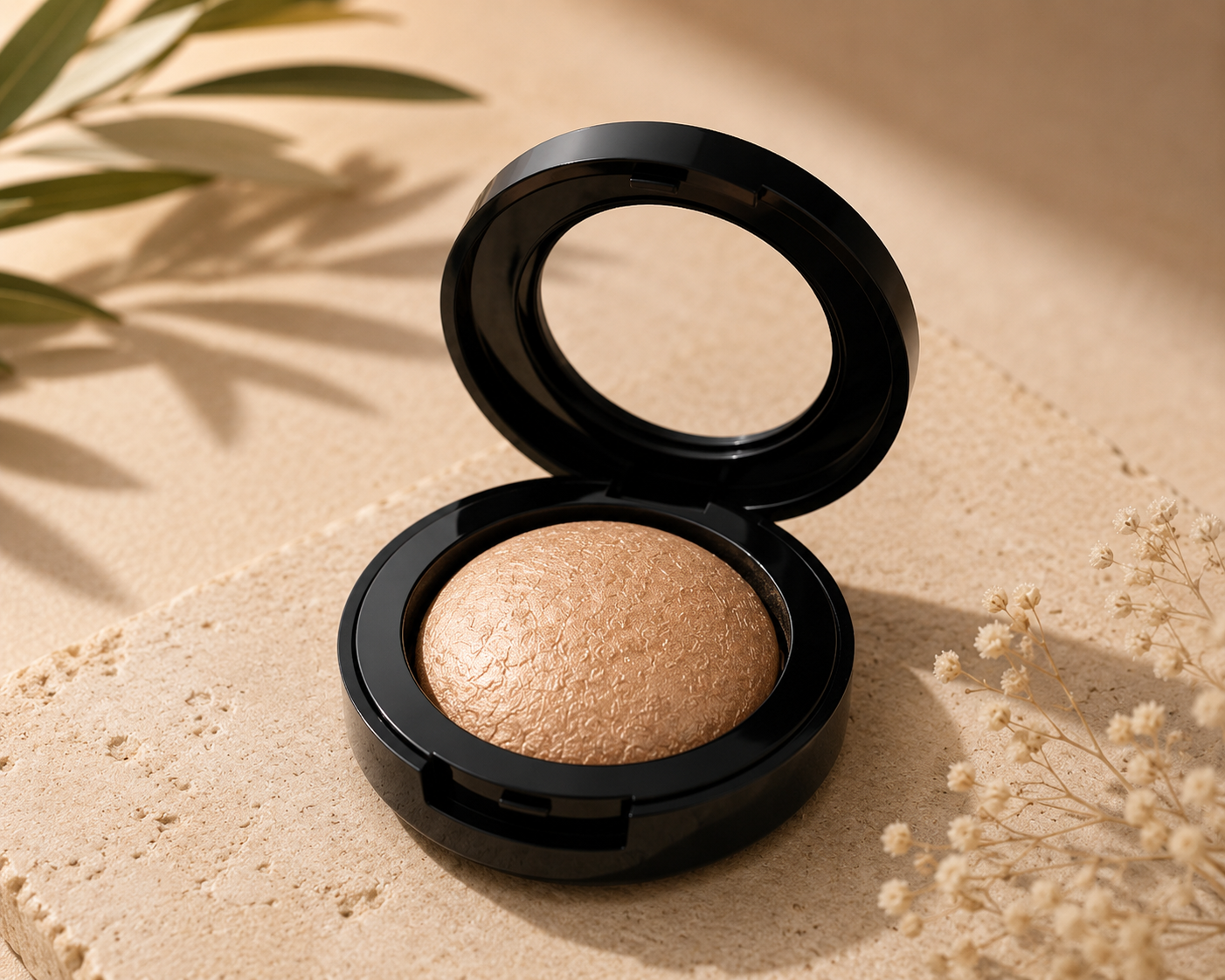 Nutrient-Rich Full-Coverage Liquid FoundationRead the label →
- Long-Lasting Pressed Mineral HighlighterRead the label →
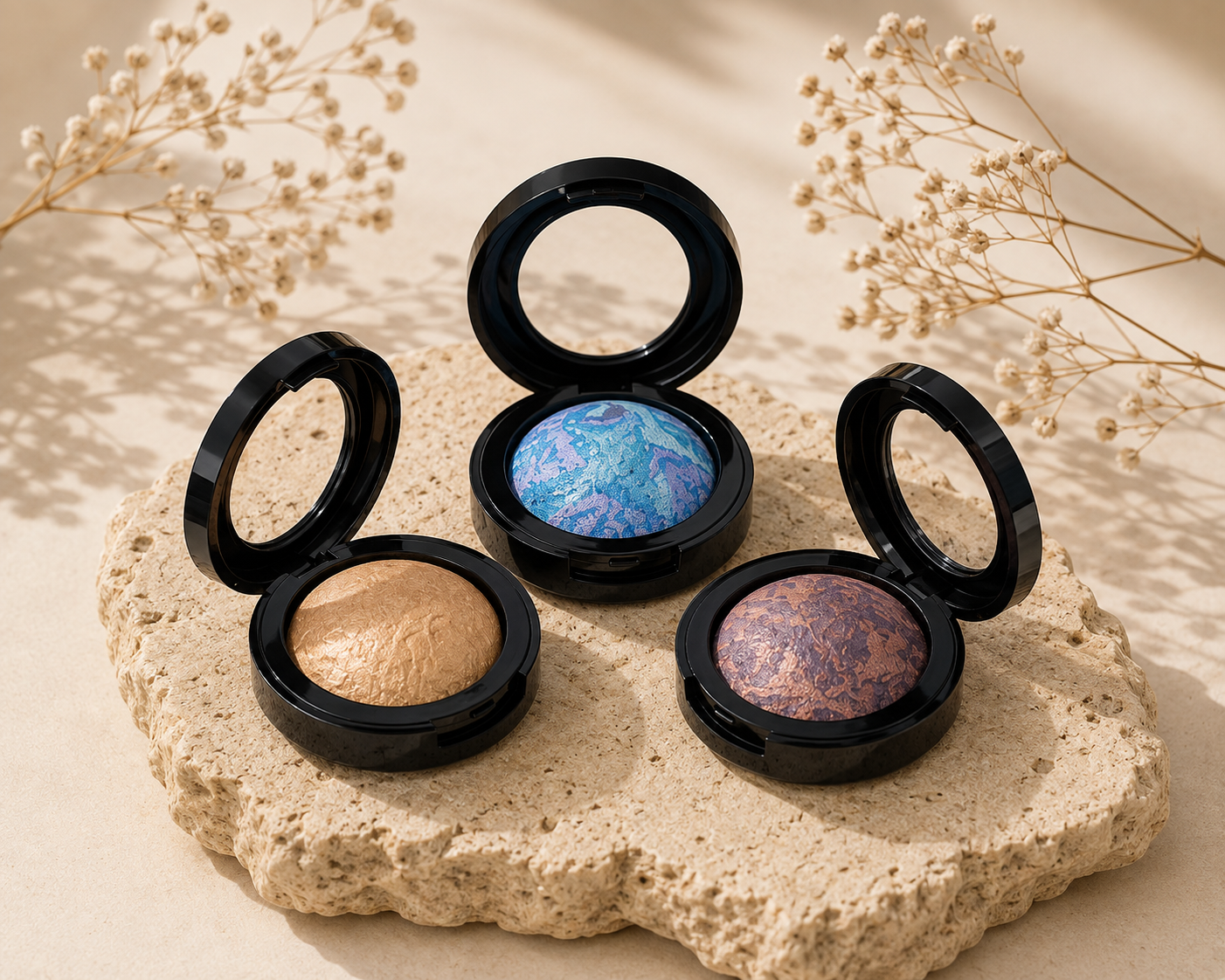 Long-Lasting Pressed Mineral Eyeshadow TriosRead the label →
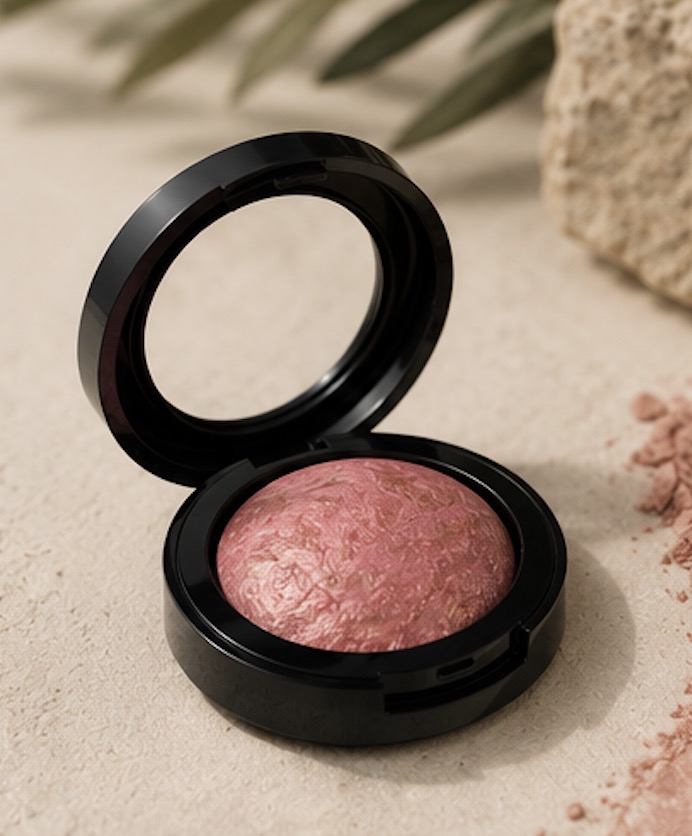 Perfect-Finish Full-Coverage Cream FoundationRead the label →
Omits it
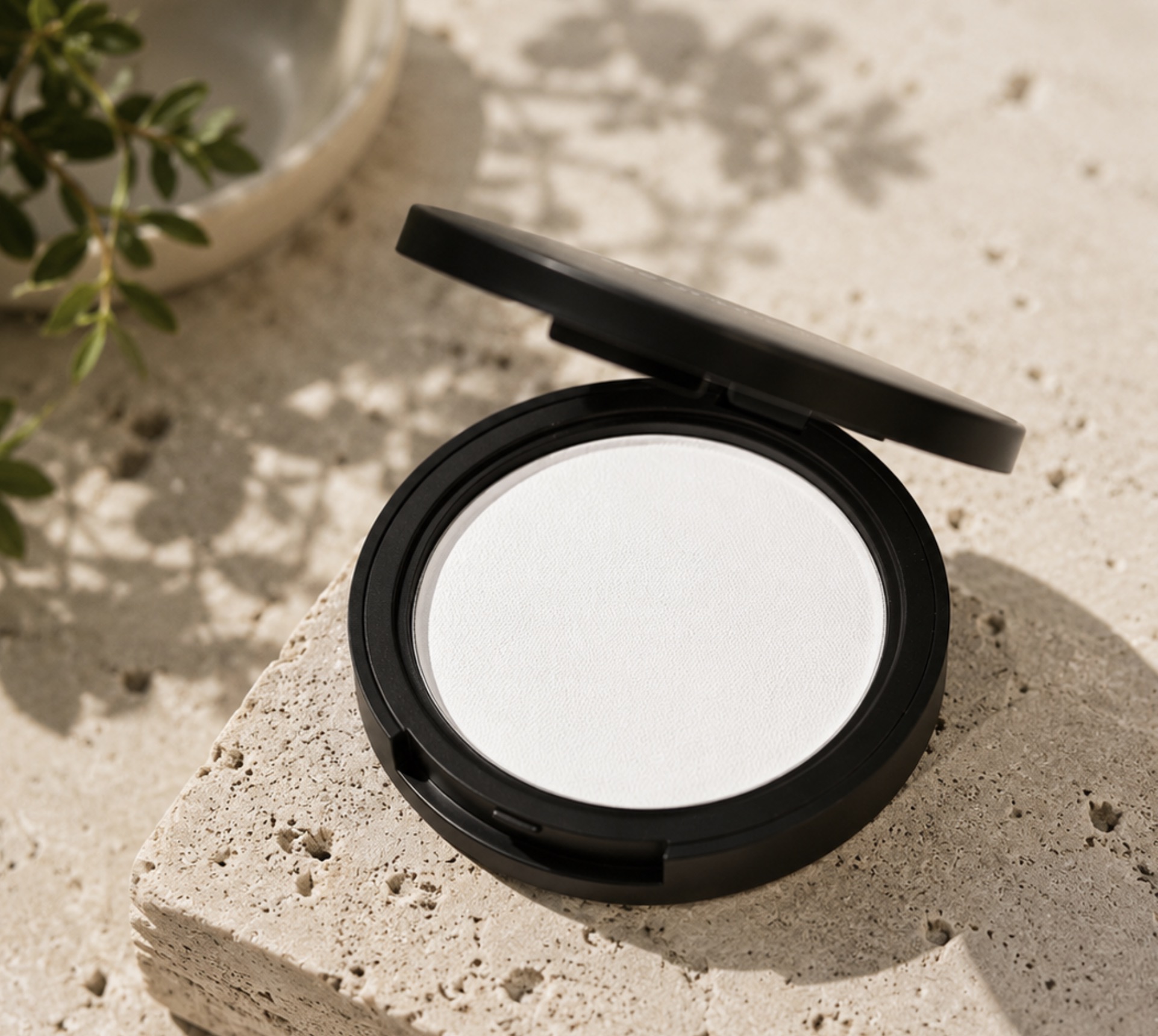 Blur + Set Pressed PowderRead the label →
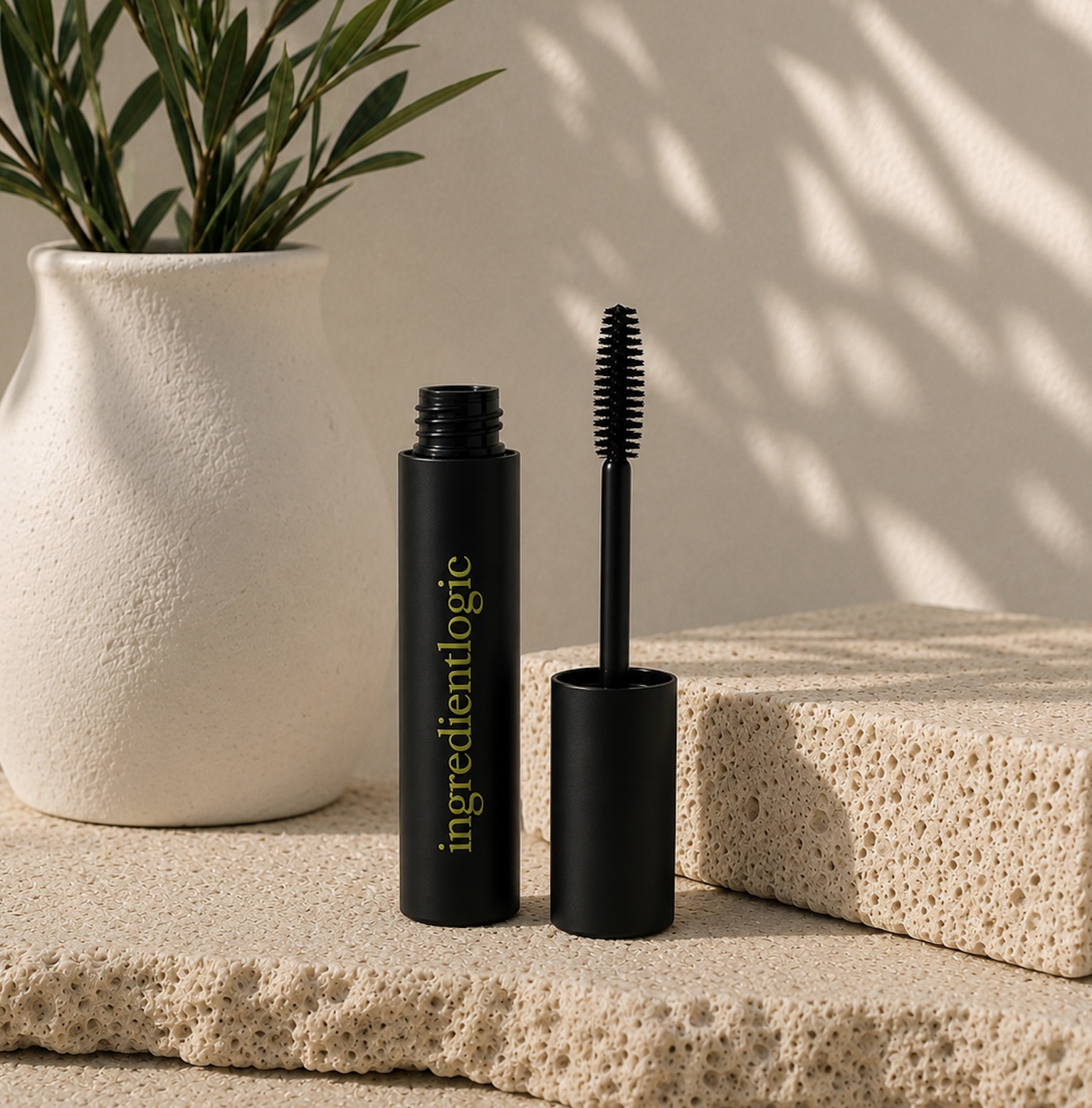 Vegan Lengthening MascaraRead the label →
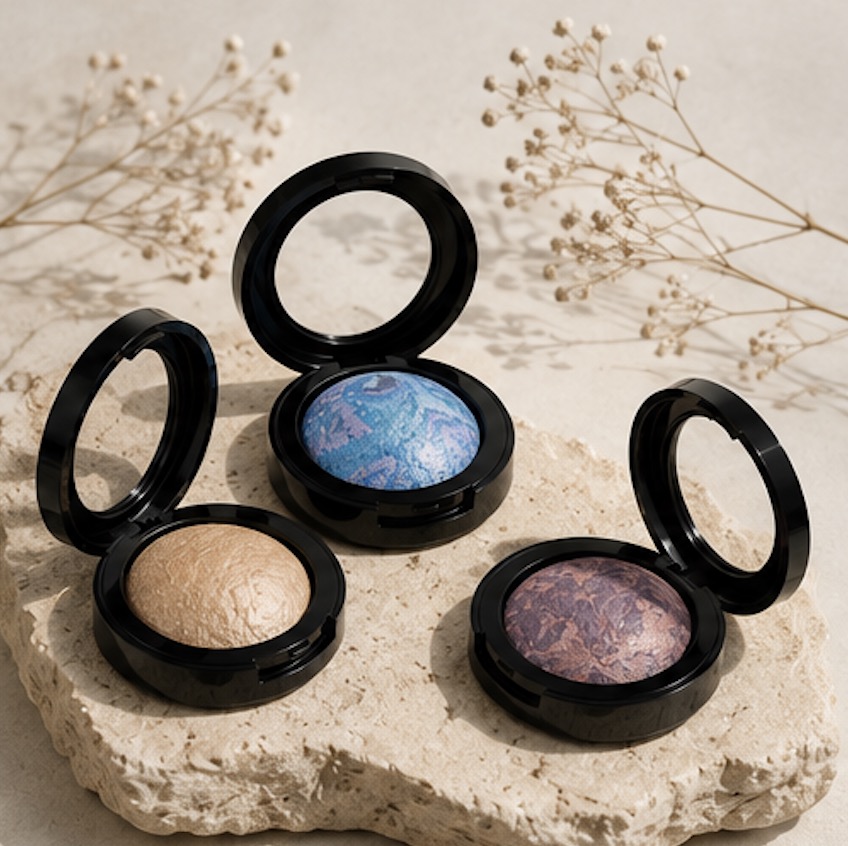 Essential Perfecting PrimerRead the label →
Common questions